

Queen of the Holy Rosary Prayer
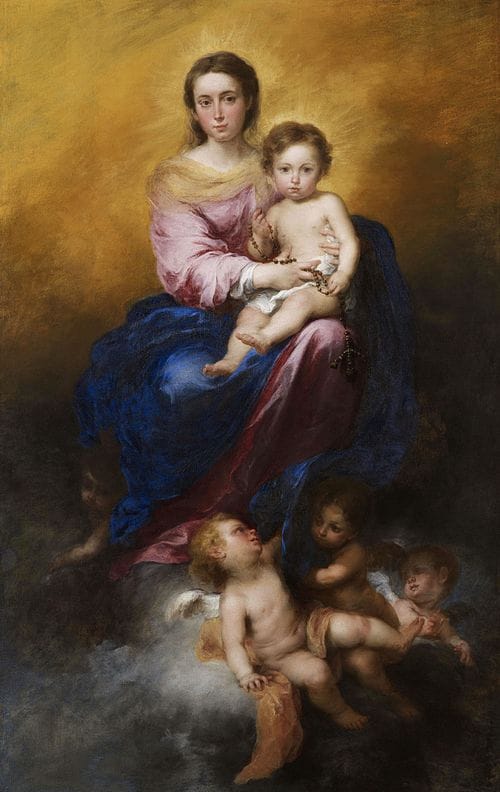
The Queen of the Rosary Prayer calls upon the Blessed Virgin Mary and recalls her appearance at Fatima, where she urged the faithful to pray the Rosary for peace and the conversion of sinners. In this prayer, a person asks Mary to inspire a sincere love for the Rosary and to help the heart meditate more deeply on the mysteries of Christ’s redemption.
The prayer also allows the faithful to present a personal intention while placing that request within a greater purpose: the glory of God, the honor of the Blessed Virgin Mary, and the salvation of souls. The full prayer appears below, followed by an explanation of its meaning, history, and use with the Rosary.
Queen of the Holy Rosary Prayer Text
The Queen of the Rosary Prayer asks the Blessed Virgin Mary to deepen the believer’s love for the Rosary and help the soul receive its spiritual fruits. It recalls Our Lady’s appearance at Fatima and joins a personal request with prayer for peace, the conversion of sinners, the glory of God, and the good of souls.
Standard English Version of the Prayer
Queen of the Holy Rosary,
you have deigned to come to Fatima to reveal to the three shepherd children
the treasures of grace hidden in the Rosary.
Inspire my heart with a sincere love of this devotion,
so that by meditating on the mysteries of our redemption recalled in it,
I may be enriched with its fruits and obtain the peace for which the world longs,
the conversion of sinners, and the favor I ask of you in this Rosary.
(mention your favor here)
I ask this for the greater glory of God,
for your own honor,
and for the good of souls.
Amen.
A note on a similarly named prayer.
This is the Fatima prayer that begins, “Queen of the Holy Rosary, you have deigned to come to Fatima.” It is sometimes confused with a different prayer called the Prayer to the Queen of the Most Holy Rosary, which begins, “In these times of brazen impiety.”
Although both prayers honor Mary under her title as Queen of the Rosary, they are separate prayers. The prayer presented and explained on this page is the one connected with Our Lady of Fatima.
What Is the Queen of the Rosary Prayer?
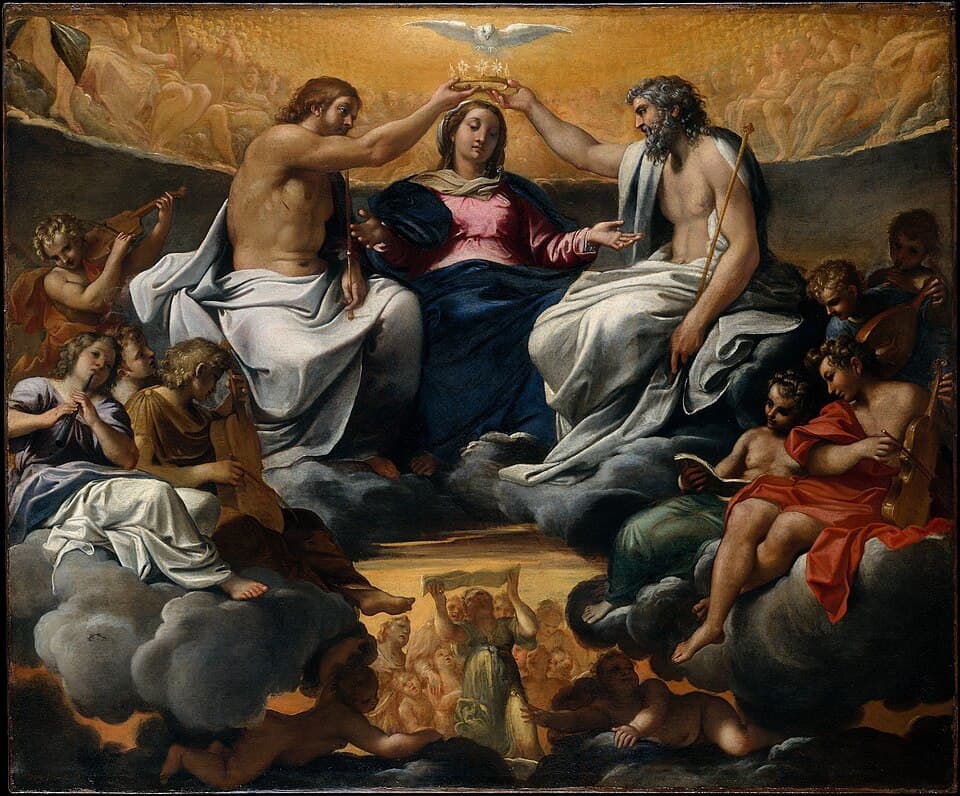
The Queen of the Rosary Prayer is a Marian prayer inspired by the message of Our Lady of Fatima. It asks the Blessed Virgin Mary to awaken a sincere love for the Rosary and to help the faithful meditate on the mysteries of Christ’s redemption with greater devotion. It also joins a personal intention with prayer for peace, the conversion of sinners, the glory of God, and the salvation of souls.
The prayer does not treat the Rosary as a mere series of repeated words. It asks Mary to help the heart enter more fully into the life of Jesus Christ. Through the Joyful, Luminous, Sorrowful, and Glorious Mysteries, the faithful recall His Incarnation, public ministry, Passion, death, Resurrection, and glory. The prayer seeks the grace to receive the spiritual fruits of those mysteries and carry them into daily life.
Why Mary Is Called Queen of the Holy Rosary
Mary is called Queen of the Holy Rosary because she is the Mother of Jesus Christ, the eternal King, and because the mysteries of the Rosary are closely joined to her life with Him. From the Annunciation to the Crucifixion, Resurrection, and glory of Heaven, Mary remained united to her Son and to His saving work.
Her title as Queen does not place her above Christ or make her equal to God. Jesus alone is the source of salvation, and every grace comes from Him. Mary’s queenship is received from her Son and always serves His kingdom. She leads the faithful to Jesus, just as she directed the servants at Cana: “Whatsoever he shall say to you, do ye” (John 2:5).
The title also reflects Mary’s motherly care for those who pray the Rosary. Catholics ask her to pray with them and for them as they meditate on the mysteries of Christ. Calling her Queen of the Holy Rosary honors the special place God gave her in the life of His Son and expresses trust in her intercession before Him.
Is This Prayer Required When Praying the Rosary?
No. The Queen of the Rosary Prayer is not required to complete the Rosary. It is an optional devotional prayer that may be said before the Rosary, after it, or during a Rosary novena.
The Rosary remains complete without this prayer. Catholics may use the customary opening prayers, meditate on the five mysteries while praying the decades, and conclude with the Hail Holy Queen or another approved closing prayer. Customs vary among families, parishes, religious communities, and nations.
Adding the Queen of the Rosary Prayer can help a person state an intention, ask for a deeper love of the Rosary, and unite that request with prayer for peace and conversion. It is a helpful addition, not an obligation. A person who prays the Rosary without it has still truly prayed the Rosary.
Meaning of the Queen of the Rosary Prayer
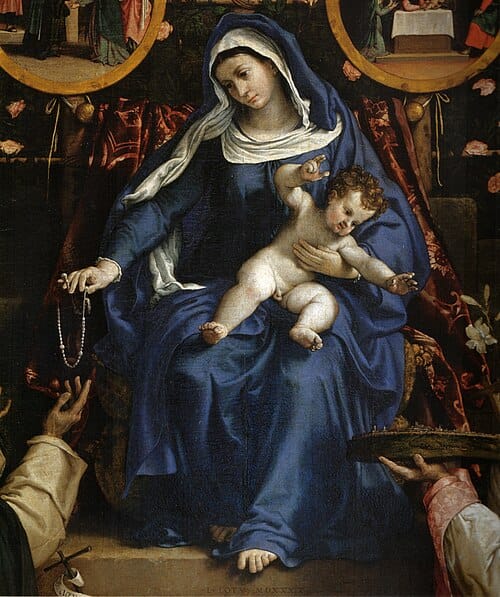
The Queen of the Rosary Prayer begins with Mary’s appearance at Fatima and ends by placing every personal request before God. Each line draws the heart deeper into the purpose of the Rosary: to meditate on Jesus Christ, receive the grace to follow Him, pray for sinners, and seek the good of souls. Read slowly, the prayer becomes both a petition to Mary and an examination of the intentions brought to the Rosary.
“Queen of the Holy Rosary, You Have Deigned to Come to Fatima”
The prayer begins by addressing Mary as Queen of the Holy Rosary. This title honors her close union with Jesus Christ, whose life, death, Resurrection, and glory form the mysteries of the Rosary. Mary does not draw attention away from her Son. She leads the faithful to contemplate Him more closely and obey Him more faithfully.
The word “deigned” means that Mary graciously chose to come. It expresses wonder that the Mother of God appeared to three humble children in the small village of Fatima, Portugal, in 1917. Her coming showed God’s care for a troubled world and called people back to prayer, repentance, and faith.
By recalling Fatima at the start, the person praying remembers that the Rosary is not meant to remain only on the lips. It should lead to a change of heart, deeper trust in God, and greater concern for the salvation of others.
“To Reveal to the Three Shepherd Children the Treasures of Grace”
The three shepherd children were Lucia dos Santos and her cousins, Francisco and Jacinta Marto. They were young, poor, and unknown, yet God chose them to receive Our Lady’s message. Their example shows that holiness does not depend on rank, wealth, or learning. It begins with a humble heart willing to listen and obey.
The “treasures of grace hidden in the Rosary” are not secret teachings known only to a few. They are the spiritual gifts received as the faithful meditate on the mysteries of Christ with faith and love. The Rosary can deepen sorrow for sin, strengthen trust in God, increase love for Jesus and Mary, and give courage during suffering.
These graces come from God. The Rosary opens the heart to receive them by keeping the mind fixed on the saving work of Christ. Mary acts as a loving mother who helps her children draw near to her Son.
“Inspire My Heart with a Sincere Love of This Devotion”
This line asks for more than the desire to pray the Rosary once in a while. A sincere love of the Rosary is faithful, honest, and joined to a true desire to know Christ. It continues even when prayer feels dry, the mind wanders, or daily duties make prayer difficult.
The person asks Mary to “inspire” the heart because devotion cannot be reduced to habit alone. The words may be familiar, but the heart must still be awakened. Mary is asked to help the faithful pray with attention, trust, and love rather than rush through the prayers without thought.
A sincere love for the Rosary also appears in daily life. The person who meditates on Christ’s patience should seek to become patient. The one who contemplates His mercy should learn to forgive. Love for the Rosary bears fruit when its mysteries begin to shape the way a person thinks, speaks, and acts.
“By Meditating on the Mysteries of Our Redemption”
The Rosary is centered on the mysteries of redemption—the saving acts by which Jesus Christ delivered mankind from sin and opened the way to eternal life. Its prayers provide a steady rhythm while the mind reflects on His Incarnation, ministry, Passion, death, Resurrection, and glory.
To meditate does not mean that every detail must be understood at once. It means placing a mystery before the mind, considering what Christ did, and allowing its truth to touch the heart. A person may reflect on one event, one virtue, one word of Scripture, or one need in his own life.
Mary accompanies this meditation because she was present within many of these mysteries and remained united to her Son throughout His saving mission. She helps the faithful look upon Jesus with love, receive His teaching, and respond more fully to His grace.
“Peace for the World and the Conversion of Sinners”
The prayer now turns outward. It does not seek grace only for the person praying. It asks for peace in a world wounded by sin, hatred, war, injustice, and separation from God.
True peace is more than the absence of conflict. It begins when the human heart is reconciled with God and learns to live according to His will. This is why peace and the conversion of sinners are joined in the same petition. Lasting peace cannot be separated from repentance, mercy, truth, and love.
Praying for the conversion of sinners is not an act of judgment. Every person needs conversion, because every soul must turn away from sin and return to God. The faithful pray with humility, knowing their own need for mercy, while asking that those far from God may receive the grace to repent and accept His love.
“The Favor Which I Ask of You in This Rosary”
The prayer gives the faithful a place to name a personal intention. It may concern healing, family, work, protection, conversion, grief, guidance, or any honest need of the heart. Nothing is too small to bring before God through Mary’s intercession.
Asking Mary for a favor does not mean that she replaces Jesus Christ or grants grace apart from Him. Catholics ask her to pray for them, just as Christians ask one another for prayer. Her intercession is powerful because of her union with her Son, but every answer remains a gift from God.
The request should be made with confidence and surrender. A person may ask clearly for what is desired while still accepting that God knows what is best. Prayer is not an attempt to force a certain answer. It places the need in loving hands and asks that the answer serve the soul’s true good.
“For the Greater Glory of God and the Good of Souls”
The closing words place the whole prayer in its proper order. The personal favor is not sought as an end in itself. It is offered for the greater glory of God, the honor of Mary, and the good of souls.
God is glorified when His mercy, wisdom, and love are made known and when people turn from sin toward Him. Mary is honored because God chose her as the Mother of His Son and filled her with grace. Her honor always points back to God, as she proclaimed: “My soul doth magnify the Lord” (Luke 1:46).
The “good of souls” refers above all to their growth in grace and their final salvation. This ending teaches the person to pray with a wider heart. Even a private need may be joined to God’s plan for others. The prayer closes with trust that whatever truly gives glory to God and helps souls is worth seeking above every passing desire.
Origin and History of the Queen of the Rosary Prayer

The Queen of the Rosary Prayer draws from two strong currents of Catholic devotion: the Church’s centuries-old love for the Rosary and the message given by Our Lady at Fatima in 1917. Its words recall Mary’s call to pray for peace, the conversion of sinners, and a deeper meditation on the mysteries of Christ.
The title of the prayer is ancient, but the prayer itself belongs to a later period. It gathers several parts of the Fatima message into one petition and gives the faithful a place to offer a personal intention. Its exact author and date of first publication are not clearly known.
Our Lady of the Rosary in Catholic Tradition
Devotion to the Rosary developed gradually during the second millennium of Christianity. Over time, its familiar prayers were joined with meditation on the saving mysteries of Jesus Christ. Saint John Paul II described the Rosary as a prayer centered on Christ, contemplated in the company of His Mother.
Mary is honored as Our Lady of the Rosary because she leads the faithful to meditate upon the life, death, Resurrection, and glory of her Son. The Rosary looks at Christ through the eyes of the woman who knew Him as Mother, followed Him as disciple, stood beneath His Cross, and rejoiced in His victory over death.
The title does not mean that Mary is the source of grace or salvation. All grace comes from God through Jesus Christ. Mary serves the work of her Son by guiding souls toward Him and praying for those who seek her help.
The Church celebrates the Memorial of Our Lady of the Rosary on October 7. This feast reflects the lasting place of the Rosary in Catholic prayer and the confidence of the faithful in Mary’s motherly intercession.
The Prayer’s Connection with Fatima
The prayer is closely connected with the apparitions of Our Lady at Fatima, Portugal, in 1917. Mary appeared to three shepherd children: Lucia dos Santos and her cousins, Francisco and Jacinta Marto. During the apparitions, she repeatedly asked them to pray the Rosary every day for peace in the world and the conversion of sinners.
At the final apparition on October 13, Mary identified herself as the Lady of the Rosary and asked that a chapel be built in her honor. This helped unite the title of Our Lady of the Rosary more closely with Fatima and with the call to daily prayer.
The Queen of the Rosary Prayer echoes the main parts of that message. It mentions the three shepherd children, asks for sincere love of the Rosary, seeks peace for the world, and prays for the conversion of sinners. It also asks that the spiritual fruits of the mysteries may enter the life of the person praying.
This prayer should not be presented as words dictated directly by Our Lady during the apparitions. The recorded Fatima accounts contain Mary’s repeated request for the daily Rosary, peace, penance, and conversion, but they do not record this complete prayer as one she taught to the children. The text is better understood as a later Catholic prayer inspired by the message of Fatima.
How the Prayer Came to Be Used by Catholics
As devotion to Our Lady of Fatima spread, Catholics began using prayers that gathered the main parts of her message into a form suitable for personal and public devotion. The Queen of the Rosary Prayer appeared in Rosary booklets, prayer cards, novenas, and collections of Marian prayers.
Its wording made it useful for Catholics who wished to offer a Rosary for a particular need. The person first asks for love of the Rosary and grace through its mysteries, then prays for peace and conversion before naming a personal favor. The intention is finally surrendered for the glory of God and the good of souls.
Some Catholics say the prayer before beginning the Rosary as a way of stating their intention. Others say it afterward as a final petition to the Blessed Virgin Mary. It may also be used during a Rosary novena or by a group praying for a shared need.
The prayer is not part of the required form of the Rosary, and its use has never been necessary for the Rosary to be complete. Its value comes from the way it joins a personal need to the wider call of Fatima. It reminds the faithful that the Rosary is prayed not only for private comfort, but also for peace, repentance, the conversion of sinners, and the salvation of souls.
How to Pray the Queen of the Rosary Prayer
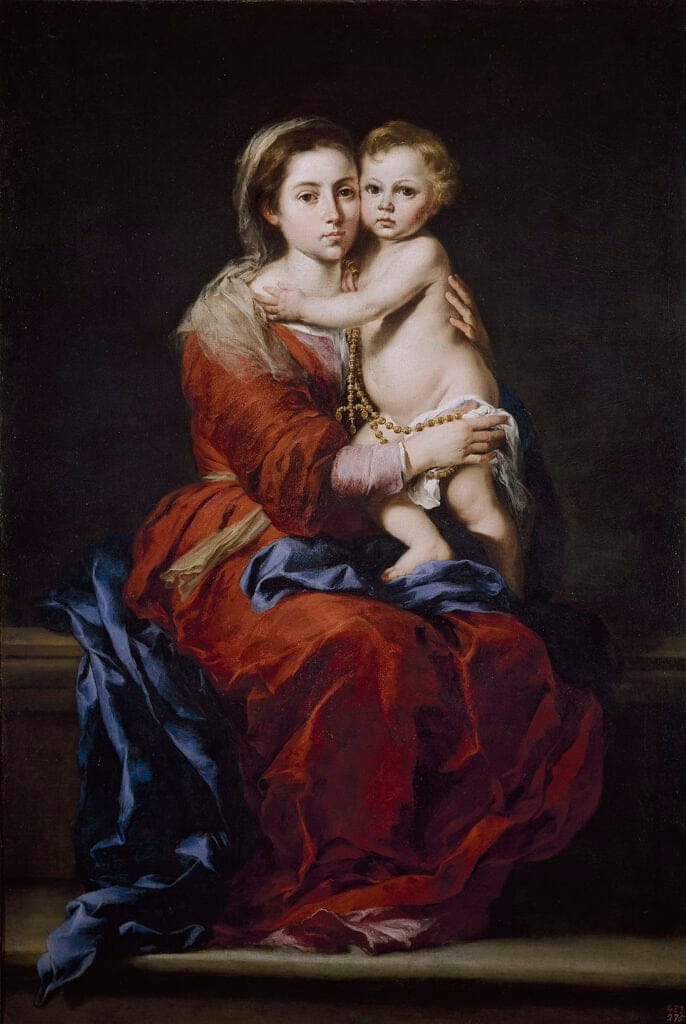
The Queen of the Rosary Prayer may be prayed alone or together with the Rosary. No special posture, beads, or ceremony is required. A person may pray it aloud or silently, while holding Rosary beads or without them. What matters is that its words are offered with faith, attention, and trust in Mary’s intercession.
Because the prayer includes the words, “the favor I ask of you in this Rosary,” it is well suited for offering an intention before beginning the Rosary. It may also be prayed afterward as a final act of trust. The prayer is optional, so Catholics may place it wherever it best supports their devotion.
When to Say the Prayer During the Rosary
The most natural place for the Queen of the Rosary Prayer is near the beginning of the Rosary. After making the Sign of the Cross, a person may pray it before the Apostles’ Creed and the usual opening prayers. This allows the intention to be placed before Mary at the start and carried through each mystery and decade.
It may also be prayed immediately before announcing the first mystery. At that point, the opening prayers have prepared the heart, and the person can pause to name the favor being sought before beginning the meditation on Christ’s life.
Some Catholics prefer to pray it at the end of the Rosary, after the Hail Holy Queen or another closing prayer. Used in this way, it gathers the fruits of the Rosary and places the intention once more before God through Mary’s intercession. Either placement is fitting.
The prayer can also be said by itself when there is not enough time to pray five decades. It remains a true act of Marian devotion and a sincere request for prayer. Still, its words reach their fullest meaning when joined to meditation on the mysteries of the Rosary, since the prayer asks that the soul be enriched by their fruits.
There is no required placement, and a person should not become anxious about saying it at the “correct” moment. It is an optional prayer, not part of the fixed structure of the Rosary. It should help the faithful pray with greater trust rather than create worry about rules.
How to Offer a Personal Intention
The prayer includes a pause after the words, “the favor I ask of you in this Rosary.” At that point, the person may name the intention silently or aloud. The request may be brief, such as:
“For the healing of a family member.”
“For the return of a loved one to the Faith.”
“For peace within this family.”
“For help in making the right decision.”
“For the soul of someone who has died.”
A long explanation is not needed. God already knows the full need, including the parts that cannot be put into words. A simple and honest intention is enough.
The intention should be offered with confidence, but also with surrender to God’s will. Mary’s intercession does not force God to grant every request in the exact way expected. She brings the prayer to her Son and helps the faithful trust His wisdom, mercy, and timing.
A person may ask for something deeply desired while adding in the heart, “if it is according to God’s will and for the good of souls.” This does not weaken the prayer. It purifies the request and places it within the closing words of the prayer: “for the greater glory of God” and “for the good of souls.”
More than one intention may be offered, but it is often helpful to choose one main request for a particular Rosary. This keeps the mind from becoming scattered and gives the prayer a clear purpose. Other needs can still be entrusted to Mary during the decades or at the end.
The intention may also be offered for someone who has not asked for prayer. The faithful may pray for a person’s healing, protection, conversion, or peace while respecting that person’s freedom and leaving the result in God’s hands.
Praying It in a Rosary Group or Novena
In a Rosary group, the leader may recite the Queen of the Rosary Prayer while the others pray silently or respond together. When the prayer reaches the place for the requested favor, the leader may pause briefly so that each person can offer a private intention.
When the group shares one purpose, the intention may be announced aloud before the prayer begins. A family might pray for a sick relative, a parish group for peace, or a community for someone preparing for surgery. The leader can then say, “For this intention, let us pray,” before beginning the Queen of the Rosary Prayer.
The prayer also works well within a Rosary novena. A novena is commonly prayed over nine days for a particular need or in preparation for a feast. The same intention may be offered each day, allowing the faithful to persevere in prayer while placing the outcome in God’s hands.
During a novena, this prayer may be said before the Rosary each day. The intention can remain the same, though the person may also add other needs as they arise. Repeating the request is not a sign of doubt. Christ taught His disciples to persevere in prayer and not lose heart.
In family prayer, children and newcomers may be told in simple words when to state their intention. The leader can say, “At the pause, quietly tell Mary what you are asking her to pray for.” This helps them understand that Catholics do not worship Mary. They ask her to join her prayers to theirs and lead them closer to Jesus.
Whether prayed alone, with a family, in a parish group, or during a novena, the Queen of the Rosary Prayer should direct every need toward Christ. Its purpose is not only to obtain a favor, but to deepen love for the Rosary, seek peace and conversion, and place every request within the glory of God and the salvation of souls.
Spiritual Lessons of the Queen of the Rosary Prayer
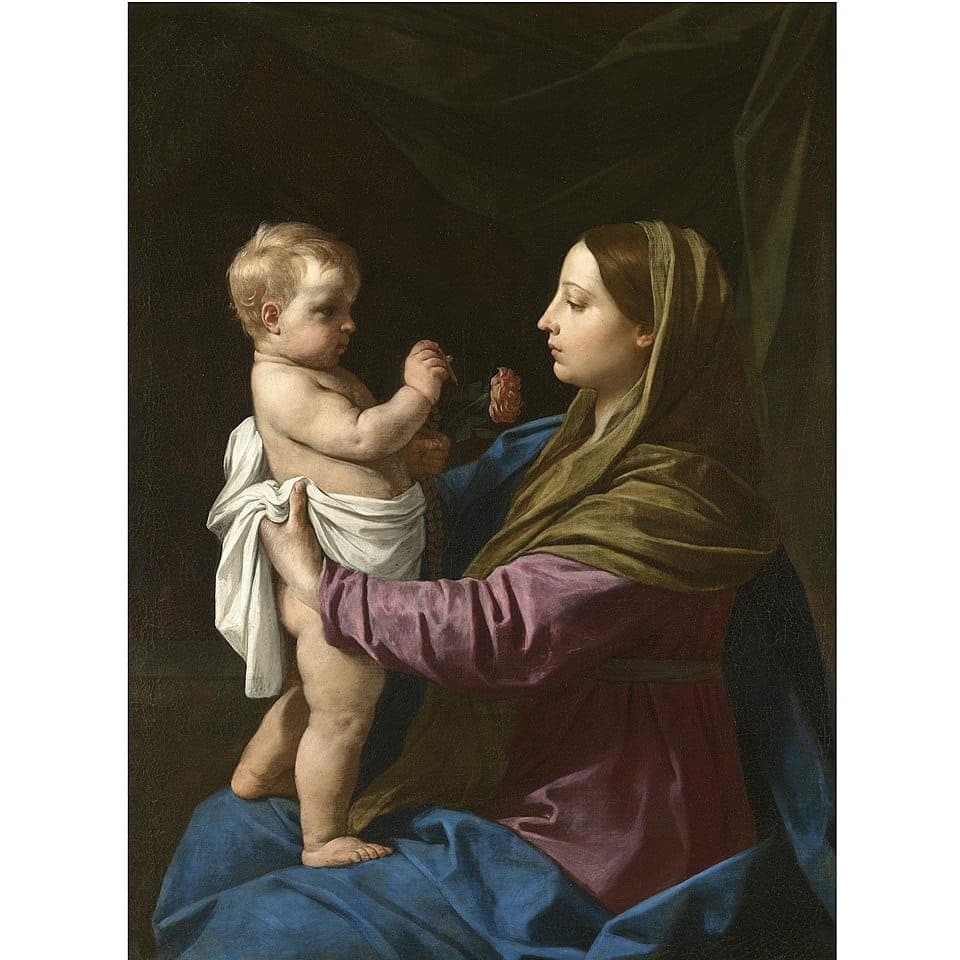
The Queen of the Rosary Prayer teaches that devotion must reach beyond spoken words. It asks for a sincere love of the Rosary, concern for those who are far from God, and confidence in the intercession of the Blessed Virgin Mary. It also teaches the faithful to place personal desires beneath the greater glory of God and the salvation of souls.
These lessons can shape the way the Rosary is prayed and the way its mysteries are lived. The prayer calls the believer to remain close to Christ, seek the spiritual good of others, and trust God even when an answer does not come in the expected way.
Love for the Rosary and Its Mysteries
A sincere love for the Rosary begins with love for Jesus Christ. The Rosary is not centered on Mary apart from her Son. Its mysteries lead the mind through the Incarnation, public ministry, Passion, death, Resurrection, and glory of Jesus. Mary accompanies the faithful because she was closely united with Him throughout His earthly life and saving mission.
The prayer asks that the heart be inspired with love for “this devotion.” This reminds the believer that prayer can become mechanical when familiar words are spoken without attention. Loving the Rosary does not require strong feelings during every decade. It means returning faithfully, even when prayer feels difficult, distracted, or dry.
The mysteries also provide examples for daily life. The Annunciation teaches humility and obedience. The Nativity reveals the poverty and gentleness of Christ. The Scourging and Crucifixion show the cost of sin and the depth of His love. The Resurrection strengthens hope, while Pentecost teaches dependence upon the Holy Ghost.
A person grows in love for the Rosary by allowing these mysteries to influence ordinary choices. Meditation on Christ’s patience should lead to greater patience with others. His mercy should encourage forgiveness. His obedience to the Father should strengthen the desire to follow God’s will.
The spiritual fruit of the Rosary is therefore not measured only by how many prayers are completed. Its deeper fruit appears when the life of Christ begins to shape the heart of the person praying.
Prayer for Peace and the Conversion of Sinners
The Queen of the Rosary Prayer turns attention away from private needs alone. Before mentioning a personal favor, it asks for peace in the world and the conversion of sinners. This order teaches the faithful to pray with concern for the needs of the Church and the whole human family.
Peace begins with reconciliation with God. War, division, injustice, resentment, and violence all flow from hearts wounded by sin. Political agreements and human efforts are important, but lasting peace also requires repentance, forgiveness, truth, and grace.
The prayer for the conversion of sinners must always be offered with humility. Christians do not pray as though sinners were a separate group to which they do not belong. Every person needs continuing conversion and the mercy of God. The faithful pray for others while also examining their own consciences and asking for the grace to turn away from sin.
To pray for conversion is to ask that a person freely respond to God’s grace, repent, receive forgiveness, and return to friendship with Him. It is an act of love because the salvation of a soul is a greater good than any temporary success or comfort.
This petition can include family members who have left the Faith, those who do not know Christ, people trapped in serious sin, and even those who oppose the Church. It may also include public leaders, nations at war, victims of violence, and those responsible for causing suffering.
The Rosary teaches perseverance in these intentions. An answer may not be visible immediately, and some conversions may occur only after years of prayer. The faithful continue praying because no soul is beyond the reach of God’s mercy.
Trust in Mary’s Intercession
The prayer teaches confidence in Mary as a mother who brings the needs of the faithful to her Son. Catholics do not believe that Mary is divine or that she possesses power apart from God. Her intercession depends entirely upon Jesus Christ, the one Mediator and source of every grace.
Asking Mary to pray for a need follows the Christian practice of asking others for prayer. Scripture encourages believers to pray for one another. Mary’s intercession has a unique place because she is the Mother of Jesus and is perfectly united with His will.
The Wedding Feast at Cana provides a clear picture of her intercession. Mary noticed that the wine had failed and brought the need to Jesus. She did not command Him or act independently of Him. She presented the need and then told the servants, “Whatsoever he shall say to you, do ye” (John 2:5).
Those words remain the proper spirit of Marian devotion. Mary does not keep the faithful focused upon herself. She points toward Jesus and encourages obedience to Him.
Trust in Mary’s intercession also requires trust in God’s answer. The favor requested may be granted quickly, granted in an unexpected form, delayed, or withheld because God sees a greater good. Mary helps the faithful remain near her Son when the answer is difficult to understand.
This confidence does not remove sorrow or uncertainty. It gives the believer someone to accompany the prayer with motherly care. Mary stood beneath the Cross when the purpose of suffering was hidden from human sight. She can therefore help the faithful remain steadfast when they must carry their own crosses.
The Queen of the Rosary Prayer ends by placing the request before a higher purpose: the glory of God and the good of souls. Trusting Mary means allowing her to lead the heart toward that surrender. The faithful ask boldly, but they also accept that God’s wisdom, mercy, and will are greater than their own understanding.
Frequently Asked Questions
The Queen of the Rosary Prayer is a Catholic devotional prayer, not a required liturgical text. Its words reflect the Church’s devotion to the Rosary and the message of Our Lady of Fatima, especially prayer for peace, conversion, and the good of souls.
Catholics may pray it privately, with their families, or in Rosary groups. Because it is an optional devotion, it may also be omitted without affecting the Rosary.
The prayer may be said before or after the Rosary. Praying it near the beginning allows a person to state an intention and carry that request through the mysteries and decades.
It may also be prayed at the end as a final act of trust in Mary’s intercession. There is no required placement, so it can be used wherever it best supports attentive and faithful prayer.
Yes. At the words, “the favor I ask of you in this Rosary,” a person may silently or aloud name a particular need. The intention may concern healing, conversion, family difficulties, guidance, protection, the repose of a soul, or another honest request.
The main wording of the prayer should remain faithful to its purpose: seeking God’s glory, peace for the world, the conversion of sinners, and the good of souls. The request should be made with confidence while remaining surrendered to God’s will.
Yes. The Queen of the Rosary Prayer may be prayed by itself when a person cannot complete five decades. It remains a sincere prayer asking Mary to lead the heart toward Christ and intercede for a particular need.
It may also be prayed before one decade of the Rosary. For someone beginning or returning to the Rosary, this can be a gentle way to develop a more regular life of prayer.
No. The Queen of the Rosary Prayer is an optional addition and is not required for the Rosary to be complete.
Catholics may pray the customary opening prayers, meditate upon the five mysteries while praying the decades, and conclude with the usual closing prayers. Additional prayers—including the Queen of the Rosary Prayer, the Fatima Prayer, and various litanies—can enrich the devotion, but they are not obligations.
More Rosary Resources
Rosary Prayers
- Queen of the Holy Rosary (You are Here)
- Sign of the Cross
- Apostles’ Creed
- Our Father
- Hail Mary
- Glory Be
- Fatima Prayer
- Hail Holy Queen (Salve Regina)
- Rosary Closing Prayer
- Fatima Pardon Prayer

Charles Rogers is a resident of South Carolina and a retired computer programmer by trade. Raised in various Christian denominations, he came to faith in Jesus Christ early in life. In 2012, he began experiencing authentic spiritual encounters with the Blessed Virgin Mary, which led him on a seven-year journey at her hands, that included alcohol addiction, a widow maker heart attack and death and conversion to the Catholic Faith. He is the exclusive author and owner of Two Percent Survival, a website dedicated to and created in honor of the Holy Mother. Feel free to email Charles at twopercentsurvival@gmail.com.

May Our Lady of the Rosary lead you deeper into the grace you have been given. Pray always, and trust the mercy of God while the door remains open.
— Two Percent Survival