

Apostles Creed Prayer

The Apostles’ Creed is prayed on the crucifix at the beginning of the Catholic Rosary. In these ancient words, the faithful profess belief in God the Father, Jesus Christ, the Holy Ghost, the Catholic Church, the forgiveness of sins, and everlasting life. Below is the full prayer in English and Latin, followed by its meaning and its place within the Rosary.
The Apostles Creed Prayer
The Apostles Creed may be prayed in English or Latin. Both versions profess the same Catholic faith and may be used at the beginning of the Rosary.
The Apostles Creed in English
I believe in God,
the Father Almighty,
Creator of heaven and earth;
and in Jesus Christ,
His only Son,
our Lord,
who was conceived by the Holy Ghost,
born of the Virgin Mary,
suffered under Pontius Pilate,
was crucified,
dead,
and buried.
He descended into hell;
the third day He rose again from the dead;
He ascended into heaven,
sitteth at the right hand of God the Father Almighty;
from thence He shall come to judge the living and the dead.
I believe in the Holy Ghost,
the holy Catholic Church,
the communion of saints,
the forgiveness of sins,
the resurrection of the body,
and life everlasting.
Amen.
The Apostles Creed in Latin
Credo in Deum,
Patrem omnipotentem,
Creatorem caeli et terrae.
Et in Iesum Christum,
Filium eius unicum,
Dominum nostrum,
qui conceptus est de Spiritu Sancto,
natus ex Maria Virgine,
passus sub Pontio Pilato,
crucifixus,
mortuus,
et sepultus,
descendit ad inferos,
tertia die resurrexit a mortuis, ascendit ad caelos,
sedet ad dexteram Dei Patris omnipotentis,
inde venturus est iudicare vivos et mortuos.
Credo in Spiritum Sanctum,
sanctam Ecclesiam catholicam,
sanctorum communionem,
remissionem peccatorum,
carnis resurrectionem,
vitam aeternam.
Amen.
What Is the Apostles Creed?
The Apostles’ Creed is a short statement of the central truths of the Catholic faith. It professes belief in God the Father, Jesus Christ, the Holy Ghost, the Catholic Church, the forgiveness of sins, the resurrection of the body, and life everlasting. Catholics pray it as an act of faith, joining their voices to the belief handed down through the Church.
What the Apostles Creed Proclaims
The Apostles’ Creed proclaims the main truths God has revealed about Himself and the salvation of mankind. It begins with faith in God the Father, Creator of heaven and earth, then confesses Jesus Christ, His Incarnation, Passion, death, Resurrection, and Ascension. It also professes belief in the Holy Ghost, the holy Catholic Church, the communion of saints, the forgiveness of sins, the resurrection of the body, and life everlasting.
Why It Is Called the Apostles Creed
The Creed is called the Apostles’ Creed because it summarizes the faith taught by the Apostles and handed on through the Church. It was not written as a single text by the Twelve Apostles, but its teachings come from their preaching and witness. Over time, early baptismal professions of faith developed into the form Catholics pray today. Its name reminds us that the Creed expresses the same Christian faith first proclaimed by those whom Christ sent to teach all nations.
History of the Apostles Creed

The Apostles Creed grew from the statements of faith used by the early Church when new Christians were baptized. Its wording developed over several centuries as the Church preserved and clearly expressed the faith received from the Apostles. Though ancient in origin, the Creed still unites Catholics with the same truths confessed by Christians since the earliest years of the Church.
The Creed’s Early Baptismal Origins
In the early Church, those preparing for Baptism were asked to profess their faith in God the Father, Jesus Christ, and the Holy Ghost. These baptismal questions followed the command of Christ to baptize “in the name of the Father, and of the Son, and of the Holy Ghost” (Matthew 28:19). The answers formed a brief summary of Christian belief that could be learned, remembered, and confessed before receiving Baptism.
How the Creed Reached Its Present Form
The wording of the Creed developed gradually from these early professions of faith, especially the ancient baptismal creed used by the Church in Rome. As the faith spread, several phrases were added or made clearer to guard the truths taught by the Apostles. By the early Middle Ages, the Creed had reached the form commonly prayed in the Western Church today. Its growth did not introduce a new faith but gave clear words to the faith Christians had already received.
Biblical Foundations of the Apostles Creed
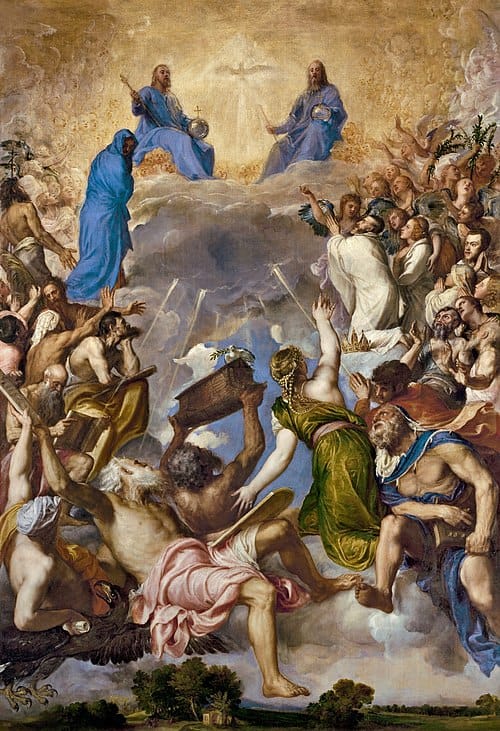
The Apostles Creed is not taken word for word from a single passage of Scripture. Each of its teachings, however, is found in the Bible. The Creed gathers these truths into one profession of faith, beginning with God the Father and moving through the saving work of Jesus Christ, the Holy Ghost, the Church, the forgiveness of sins, and the promise of eternal life.
Belief in God the Father and Creator
The Creed begins by professing faith in one God, the almighty Father who created all things. Scripture opens with the words, “In the beginning God created heaven, and earth” (Genesis 1:1). God is not a distant force but a loving Father who made mankind and continues to care for His creation. Christ taught His disciples to pray to “Our Father who art in heaven” (Matthew 6:9), revealing the close bond God offers to His children.
Belief in Jesus Christ and His Saving Work
The central part of the Creed professes faith in Jesus Christ, the only Son of God and Lord of all. Scripture reveals His conception by the Holy Ghost, His birth from the Virgin Mary, His suffering under Pontius Pilate, His death, burial, Resurrection, and Ascension. It also teaches that Christ will come again to judge the living and the dead. These truths proclaim that salvation comes through the Son of God, who entered human history, gave His life for sinners, conquered death, and now reigns in glory.
Belief in the Holy Ghost, the Church, and Eternal Life
The final part of the Creed professes faith in the Holy Ghost, who gives life to the Church and strengthens the faithful. At Pentecost, the disciples “were all filled with the Holy Ghost” (Acts 2:4). The Creed also confesses the holy Catholic Church, the communion of saints, the forgiveness of sins, the resurrection of the body, and life everlasting. These beliefs remind Catholics that salvation is lived within the Church and reaches its fulfillment when the faithful are raised to eternal life with God.
The Apostles Creed in the Rosary

The Apostles Creed begins the traditional prayers of the Rosary. Before meditating on the mysteries of Christ, the faithful first profess the truths of the Catholic faith. This places the whole Rosary within faith in the Holy Trinity, the saving work of Jesus Christ, the Church, the forgiveness of sins, and the hope of eternal life.
Where the Apostles Creed Is Prayed
The Apostles Creed is prayed while holding the crucifix of the Rosary. It follows the Sign of the Cross and comes before the Our Father on the first large bead. Beginning at the crucifix reminds the faithful that the Rosary is centered on Jesus Christ, who suffered, died, and rose again for the salvation of mankind.
Why the Apostles Creed Opens the Rosary
The Creed opens the Rosary because prayer begins with faith in God and in the truths He has revealed. By professing the Creed, Catholics declare what they believe before meditating on the life, death, and glory of Christ. Its words prepare the heart for prayer and show that Marian devotion always leads the faithful to Jesus and the saving truths of His Gospel.
Praying the Creed with Faith and Attention
The Apostles Creed should be prayed as a personal act of faith, not merely recited from memory. Each line invites the soul to renew its trust in God and accept the truths taught by the Church. Praying slowly and with attention helps the faithful remember that they are joining Catholics throughout the centuries in one shared profession of faith.
Apostles Creed Meaning: Line by Line
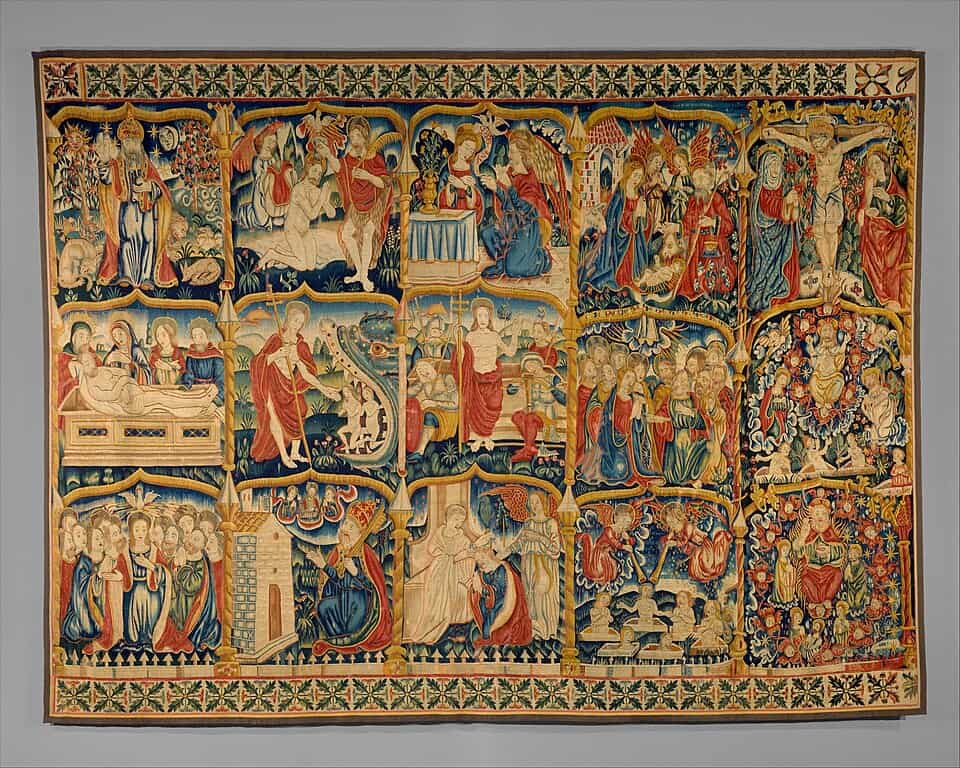
Each statement of the Apostles Creed expresses a truth revealed by God and taught by the Catholic Church. Reading the prayer line by line helps the faithful understand what they profess each time they say, “I believe.” These words are more than a list of teachings. They are a personal act of faith in God, His saving work, His Church, and His promise of eternal life.
“I believe in God, the Father Almighty, Creator of heaven and earth.”
The Creed begins with a personal act of faith in the one true God. He is Father, not a distant power, and He rules all things with perfect wisdom and love. As Creator of heaven and earth, God made all that is seen and unseen and holds all creation in being. These words call the faithful to trust Him as both almighty Lord and loving Father.
“And in Jesus Christ, His only Son, Our Lord.”
Jesus Christ is the eternal Son of God, equal with the Father and truly divine. He is not merely a teacher, prophet, or holy man. He is the Lord through whom all things were made and the Savior sent for the redemption of mankind. By calling Him “Our Lord,” the faithful accept His authority and give their lives to Him in faith, love, and obedience.
“Who was conceived by the Holy Ghost, born of the Virgin Mary,”
The Son of God took a true human nature without ceasing to be God. His conception came through the power of the Holy Ghost, not through a human father. He was born of the Blessed Virgin Mary, who freely gave her consent to God’s will. In the Incarnation, Jesus entered human history to dwell among mankind and save His people from sin.
“Suffered under Pontius Pilate, was crucified, dead, and buried.”
Jesus truly suffered and died during the rule of Pontius Pilate. Naming Pilate shows that the Passion was a real event in history, not a symbol or legend. Christ freely accepted the Cross and offered Himself for the sins of mankind. His burial confirms that His human death was real. Through His sacrifice, He reconciled sinners to the Father and opened the way to salvation.
“He descended into hell.”
This line does not mean that Jesus entered the place of the damned or suffered after His death. It means that His soul went to the abode of the dead, where the righteous awaited the coming of the Redeemer. Christ announced His victory and opened heaven to those who had died in friendship with God. His descent shows that His saving work reached even those who had lived before His earthly coming.
“The third day He rose again from the dead.”
Jesus truly rose from the dead on the third day, body and soul. His Resurrection was not a return to ordinary earthly life but His entrance into a glorified life beyond death. By rising, Christ conquered sin, death, and the power of the devil. His Resurrection confirms His divine authority and gives the faithful hope that those who die in His grace will also rise.
“He ascended into heaven, sitteth at the right hand of God the Father Almighty.”
After appearing to His disciples, Jesus ascended into heaven in His glorified humanity. He now reigns with the Father and exercises His divine authority over heaven and earth. To sit at the Father’s right hand does not describe a physical chair but Christ’s place of glory, honor, and power. He also intercedes for His people and prepares a place for those who follow Him faithfully.
“From thence He shall come to judge the living and the dead.”
Jesus will return in glory at the end of time. Every person will stand before Him and receive judgment according to his faith and deeds. Nothing hidden will remain concealed, and God’s justice and mercy will be fully shown. For those who live in Christ, this promise is not meant to cause despair. It calls them to repentance, watchfulness, and hope as they await the coming of the Lord.
“I believe in the Holy Ghost,”
The Holy Ghost is the third Person of the Holy Trinity, equal in divinity with the Father and the Son. He gives life to the Church, guides her in truth, and sanctifies the faithful. Through Baptism and Confirmation, He dwells within the soul and gives grace to resist sin and grow in holiness. The Christian life cannot be lived by human strength alone but through His help.
“The holy Catholic Church, the communion of saints,”
Christ founded one Church and entrusted her with His truth, sacraments, and saving mission. She is holy because Christ is her Head and the Holy Ghost dwells within her, even though her members are sinners in need of grace. The communion of saints joins the faithful on earth, the souls being purified in Purgatory, and the saints in heaven as one family united in Christ.
“The forgiveness of sins,”
Jesus gave His life so that sins could be forgiven and sinners could be restored to friendship with God. This grace is first received in Baptism and renewed through the Sacrament of Penance when a baptized person falls into serious sin. No sin is greater than God’s mercy when a sinner turns back to Him with true sorrow. This line gives hope to every soul seeking pardon and a new beginning.
“The resurrection of the body,”
At the end of time, God will raise the bodies of all who have died and reunite them with their souls. The human person is not only a soul but a union of body and soul created by God. The just will rise to share forever in the glory of Christ, while those who rejected God will also rise for judgment. Christian hope therefore includes the redemption and final glory of the body.
“And life everlasting. Amen.”
The Creed ends with the promise of eternal life. Those who die in God’s grace will live with Him forever, freed from sin, suffering, and death. Heaven is perfect union with the Holy Trinity and joyful communion with the Blessed Virgin Mary, the angels, and all the saints. “Amen” means that the faithful accept these truths and place their trust in the God who has promised them.
The Apostles Creed in Catholic Life

The Apostles Creed gives Catholics a clear summary of the faith they receive at Baptism and are called to live each day. Its teachings shape how the faithful understand God, Jesus Christ, the Church, forgiveness, death, and eternal life. Praying the Creed renews the commitment to trust God, follow Christ, and remain faithful to the truths taught by the Catholic Church.
When Catholics Pray the Apostles Creed
Catholics pray the Apostles Creed at the beginning of the Rosary, during personal and family prayer, and while learning or teaching the Catholic faith. It may also be used at certain liturgical celebrations, while its teachings are professed in the baptismal promises. Because it is brief and easy to remember, the Creed can be prayed whenever a Catholic wishes to renew faith in God and recall the central truths of Christianity.
Praying the Creed in Times of Doubt or Difficulty
During times of doubt, fear, temptation, or suffering, the Apostles Creed can help the faithful hold firmly to what God has revealed. A person may not always feel strong in faith, but the words “I believe” become an act of trust and a prayer for greater understanding. Praying each line slowly can turn the heart away from confusion and back toward God, His promises, and the hope of everlasting life.
Frequently Asked Questions
The following questions explain how the Apostles Creed is used in the Rosary, how it differs from the Nicene Creed, and how someone can pray it while still seeking a fuller understanding of the Catholic faith.
What Is the Apostles Creed?
The Apostles Creed is a brief profession of the central truths of the Christian faith. It professes belief in God the Father, Jesus Christ, the Holy Ghost, the Catholic Church, the forgiveness of sins, the resurrection of the body, and life everlasting. It developed from the baptismal professions of the early Church and is prayed at the beginning of the Rosary.
Why Does the Rosary Use the Apostles Creed Instead of the Nicene Creed?
The Apostles Creed is shorter than the Nicene Creed and has long been used in Baptism, religious instruction, and personal prayer. Its clear profession of faith makes it well suited to the opening of the Rosary. The Nicene Creed gives a fuller explanation of certain doctrines, especially the divinity of Jesus Christ, and is normally prayed during Sunday Mass and other solemn liturgies.
Must a Person Accept Every Article of the Creed to Pray the Rosary?
Catholics are called to accept all the truths professed in the Apostles Creed. A person who has questions or struggles with part of the Creed may still pray the Rosary while sincerely asking God for understanding and stronger faith. Prayer can become part of the person’s search for truth rather than something that must wait until every question has been answered.
Can Non-Catholics Pray the Apostles Creed with the Rosary?
Yes. Non-Catholics may pray the Apostles Creed and the Rosary. Many Christians already share belief in much of what the Creed professes, including the Holy Trinity, the Incarnation, the death and Resurrection of Christ, and eternal life. Someone who is uncertain about a line may pray honestly, ask God for guidance, and continue learning what the Catholic Church teaches.
What Should I Do If I Struggle with a Line in the Creed?
Bring the difficulty honestly to God and ask for the grace to understand what the Church teaches. Read the relevant section of the Catechism, speak with a knowledgeable priest or catechist, and take time to study the meaning of the words. Struggling to understand a teaching is not the same as rejecting it. A sincere desire to learn can become an important step toward deeper faith.
More Rosary Prayers and Resources
Rosary Prayers

Charles Rogers is a resident of South Carolina and a retired computer programmer by trade. Raised in various Christian denominations, he came to faith in Jesus Christ early in life. In 2012, he began experiencing authentic spiritual encounters with the Blessed Virgin Mary, which led him on a seven-year journey at her hands, that included alcohol addiction, a widow maker heart attack and death and conversion to the Catholic Faith. He is the exclusive author and owner of Two Percent Survival, a website dedicated to and created in honor of the Holy Mother. Feel free to email Charles at twopercentsurvival@gmail.com.

May Our Lady of the Rosary lead you deeper into the grace you have been given. Pray always, and trust the mercy of God while the door remains open.
— Two Percent Survival