
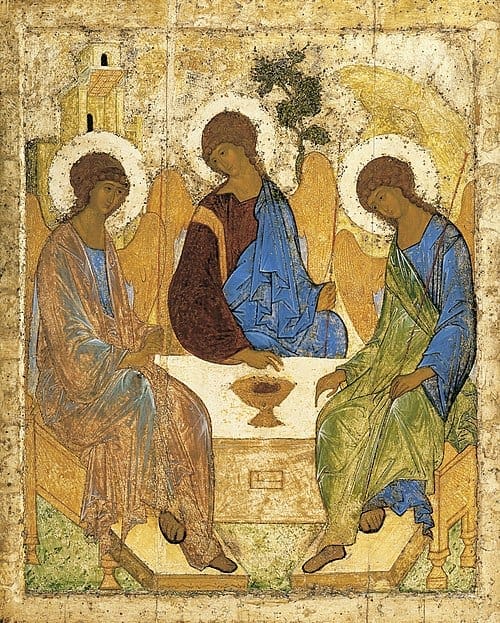
Glory Be Prayer
What is the Glory Be Prayer?
The Glory Be Prayer — known in Latin as the Gloria Patri and sometimes called the Lesser Doxology — is a short prayer that many Catholics learn as children, yet it carries the whole faith in a compact form. In a few lines, the Glory Be praises the Father, the Son, and the Holy Spirit, confessing one God in three divine Persons. It appears again and again in the Rosary, in the Liturgy of the Hours, and in many devotions, so that praise of the Holy Trinity is never far from Catholic prayer. This page gives the full text of the Glory Be Prayer, explains its meaning line by line, and shows how it fits into the Church’s life — so that every reader, beginner or lifelong Catholic, can pray it with clear faith and steady intention.
Why Pray and Understand the Glory Be?
The purpose of this page is to help the reader know exactly what the Glory Be says, what it means, and how it works inside Catholic prayer. Many people recite it from habit, especially in the Rosary, but have never looked closely at the words. Here, the prayer will be presented in full, then explained phrase by phrase in light of Scripture and the teaching of the Church. The page will also show when the Church uses the Glory Be and how a person can pray it with greater faith and attention in daily life. By the end, the reader should be ready to say this short prayer with a clear mind and a willing heart.
The Glory Be for Beginners and Lifelong Catholics
This page is for anyone who wants to pray the Glory Be with clearer faith and understanding. It is meant for Catholics who already pray the Rosary, for those who have been away from the sacraments and are returning, and for people who are only now learning the basic prayers. It can help parents, grandparents, catechists, and sponsors who guide others in the faith. It may also assist Christians from other communities who wish to know how Catholics praise the Holy Trinity. Above all, it is for any person who senses that God is inviting them to grow in prayer, one simple act of praise at a time.
How the Glory Be Fits into Catholic Prayer Life
The Glory Be runs through Catholic prayer as a constant act of praise. In the Rosary, each decade closes with a prayer of praise to the Father, the Son, and the Holy Spirit, turning reflection on the mysteries of Christ and Mary into praise of the Father, the Son, and the Holy Spirit.
In the Liturgy of the Hours, it follows psalms and canticles, so that morning, evening, and night are all directed to the Holy Trinity. Many chaplets, novenas, and litanies also include the Glory Be as a way to finish petitions with worship. In personal prayer, a Catholic may use it after reading Scripture, after an examen, or as a simple act of love during the day.
The Text of the Glory Be Prayer
English Text - the Glory Be
Glory be to the Father,
and to the Son,
and to the Holy Spirit.
As it was in the beginning,
is now,
and ever shall be,
world without end.
Amen.
Latin Text - the Gloria Patri
The Glory Be is one of the oldest prayers of the Church, and its Latin form, the *Gloria Patri*, is still prayed and sung today in the Liturgy of the Hours, the traditional Rosary, and the Mass:
Gloria Patri,
et Filio,
et Spiritui Sancto.
Sicut erat in principio,
et nunc, et semper,
et in saecula saeculorum.
Amen.
The Glory Be as a Doxology
Because of its brevity, the Glory Be is known as the lesser doxology, distinct from the greater doxology — the “Glory to God in the highest” (Gloria in excelsis Deo) sung at Mass. This is why the Glory Be often comes at the end of a psalm, a decade of the Rosary, or another prayer. It gathers up everything just said and hands it to God as praise. Each time a person says the Glory Be, that person joins the Church’s unending “Gloria” before the Holy Trinity.
The Glory Be is ancient. Short doxologies praising God appear in the New Testament and in the earliest Christian worship, and by the fourth century the prayer had taken its familiar Trinitarian shape — naming the Father, the Son, and the Holy Spirit together, as Christ commanded at baptism. The second half, “as it was in the beginning, is now, and ever shall be,” was affirmed in the West by the Synod of Vaison in 529 and has been prayed steadily ever since. When a Catholic says the Glory Be today, that person joins a line of praise that stretches back to the apostolic Church.
When and Where the Church Uses This Prayer
The Church uses the Glory Be in many places, both in public worship and in personal prayer. In the Rosary, each decade closes with the ten Hail Marys and any additional prayers, turning the heart toward the Father, the Son, and the Holy Spirit. In the Liturgy of the Hours, priests, religious, and lay faithful end psalms and canticles with the Glory Be, so that every hour of the day points to the Holy Trinity. Many chaplets, litanies, and novenas also place the Glory Be at the end of a set of invocations. In private prayer, Catholics use it after reading Scripture, during visits to the Blessed Sacrament, or as a short act of praise during daily work.
The Glory Be Within the Rosary
Within the Rosary, the Glory Be stands at the heart of each decade. After the ten Hail Marys, it turns reflection on the mystery into direct praise of the Father, the Son, and the Holy Spirit. It marks a gentle pause before moving to the next mystery, so the Rosary does not stay only in meditation but rises in worship. In this way, five decades become five acts of Trinitarian praise offered through Mary.
Where the Glory Be Appears
In the Rosary, the Glory Be comes at the end of every decade, after the ten Hail Marys and before any optional Fatima Prayer. A decade begins with the announcement of the mystery and one Our Father, followed by ten Hail Mary’s prayed in quiet reflection on that mystery. When the tenth Hail Mary is finished, the Glory Be is said, as a clear act of praise to the Father, the Son, and the Holy Spirit. This pattern repeats for all five decades. In this way, each mystery of Christ’s life and each meditation with Mary is gathered up and directed to the Holy Trinity. The Rosary becomes not only a meditation, but a chain of short doxologies offered to God.
Before the Fatima Prayer
In many forms of the Rosary, the Glory Be comes first at the end of the decade, and the Fatima Prayer follows. This order matters. The Glory Be lifts the heart in praise of the Father, the Son, and the Holy Spirit, and only then does the Fatima Prayer ask for mercy, pardon, and the salvation of souls. Praise comes first, petition second, just as the Our Father begins with “Hallowed be Thy name” before asking for daily bread (Mt 6:9–11, Douay-Rheims). Prayed this way, each decade closes with a small pattern of Christian prayer: adoration of God, sorrow for sin, and charity for sinners. The Glory Be opens that movement by turning the whole decade toward the Holy Trinity.
Other Marian Devotions
The Glory Be is not limited to the Rosary. It appears in many Marian devotions as a simple way to turn Marian prayer toward the Holy Trinity. In chaplets such as the Seven Sorrows or the Immaculate Heart, the Hail Mary or other Marian prayers are often followed or completed by the Glory Be, so that love for Mary leads to praise of the Father, the Son, and the Holy Spirit. Some Marian novenas use the Glory Be after each petition or set of invocations, asking Our Lady’s help while giving honor to God, as Mary herself did in the Magnificat. In this way, Marian devotion stays firmly inside the Church’s worship of the Holy Trinity.
Spiritual Rhythm in the Rosary
The Glory Be gives the Rosary a clear spiritual rhythm. Each decade moves through the Our Father, the ten Hail Marys, and then pauses in the Glory Be. This slight pause keeps the Rosary from becoming only a steady stream of words. It lets the heart lift up what has just been prayed and offer it in praise to the Father, the Son, and the Holy Spirit. The pattern becomes: announce the mystery, meditate with Mary, then praise the Holy Trinity. This rise and pause at the end of every decade helps tired minds refocus and prevents the Rosary from becoming empty repetition. Over time, this steady rhythm can calm the soul and teach it to turn often to God in praise.
Line-by-Line Meaning of the Glory Be Prayer
To pray the Glory Be with attention, it helps to slow down and look at each line. The first part names the Father, the Son, and the Holy Spirit, and gives “glory” to each, confessing one God in three Persons. The next phrases speak about time: “as it was in the beginning, is now, and ever shall be.” They praise God for his eternal Glory before creation, his presence now, and his unchanging faithfulness in the future. The final words, “world without end. Amen,” point to the unending life of heaven and the new creation God prepares for his people. Each line adds a clear step, so the whole prayer becomes a short act of praise, faith, and hope.
“Glory be to the Father, and to the Son, and to the Holy Spirit”
This first line announces to whom the prayer is spoken. “Glory” means honor, praise, and thanksgiving given to God. The prayer does not say “Glory be to God” in a vague way but names the three divine Persons one by one: the Father, the Son, and the Holy Spirit, just as Christ commanded baptism “in the name of the Father, and of the Son, and of the Holy Spirit”. The Church teaches that these three are distinct Persons who share the one divine nature. Each time a person says this line, that person makes a clear act of faith in the Holy Trinity and offers praise to God as he truly is.
Confessing One God in Three Persons
When a person says, “Glory be to the Father, and to the Son, and to the Holy Spirit,” that person is confessing the central mystery of the faith: one God in three divine Persons. The Church does not worship three gods, but one God who is Father, Son, and Holy Spirit, equal in majesty and Glory. The Father is unbegotten, the source; the Son is eternally begotten of the Father; the Holy Spirit proceeds from the Father and the Son (Jn 15:26, Douay-Rheims). They are distinct as Persons, yet they share the same divine nature and Glory. Each time the Glory Be is prayed, this line quietly renews the faith first confessed at baptism “in the name” of the Trinity.
Scripture Behind "Glory Be to the Father"
The line “Glory be to the Father, and to the Son, and to the Holy Spirit” gathers many voices from Scripture. Christ sends the apostles to baptize “in the name of the Father, and of the Son, and of the Holy Spirit,” which already joins these three in one divine name. Saint Paul often ends his letters with praise to God, such as “to him be glory forever. Amen”. Other passages bless “the God and Father of our Lord Jesus Christ,” showing the close bond of Father and Son. The promise of the Paraclete, the Holy Spirit, completes this Trinitarian pattern. The Glory Be allows the believer to respond to these passages with a brief confession of faith and praise.
“As it was in the beginning”
When we say “as it was in the beginning,” we praise God for the Glory he had before anything was made. Before creation, God already lived in perfect life and love as Father, Son, and Holy Spirit. The words hint at the very first line of Scripture, “In the beginning God created heaven and earth,” yet they look even further back, to God’s eternal life before time. God did not gain Glory when he created the universe; creation only reflects the Glory he already had. This line also reminds the believer that God’s plan is not new or uncertain. His wisdom and goodness stand from the beginning and never fail.
God’s Eternal Glory Before Creation
Before there was time, matter, or any creature, God already possessed perfect Glory. The Father knew and loved the Son, and the Son was “in the glory which I had, before the world was, with thee”. The Holy Spirit was the living bond of this love. God did not create to gain anything for himself. Creation is a gift that lets His Glory shine in things that did not have to exist. When the Glory Be says, “as it was in the beginning,” it sends the mind back before Genesis, to the eternal life of the Trinity. A person who prays this line praises God for who he is in himself, not only for what he gives.
Hints of This Line in the Prologue of Saint John
The words “as it was in the beginning” echo the Prologue of Saint John. Saint John opens his Gospel, “In the beginning was the Word, and the Word was with God, and the Word was God”. He shows that before creation, the Son, the eternal Word, already existed in Glory with the Father. A few verses later, he adds that “all things were made by him”, so the created world comes from this eternal life. When the Glory Be recalls “the beginning,” it silently points to this mystery: the same Trinity praised in the prayer is the Trinity present in John’s Prologue, in which the light shines in darkness and is not overcome.
“Is now, and ever shall be”
When we say, “is now, and ever shall be,” we praise God for His Glory in the present and in all the ages to come. God’s Glory is not only a memory from the past; it is active now in the Church, in the sacraments, and in the quiet work of grace in each soul. At the same time, his Glory will never fade or fail. Christ is “yesterday, and today: and the same forever”. This line reminds the believer that no sin, trial, or change in the world can touch God’s holiness. His plan and his promises stand. To pray these words is to place one’s trust in God’s unchanging faithfulness.
God’s Glory in the Present Moment
When the Glory Be says “is now,” it teaches that God’s Glory is not only past or future, but active in this very moment. The Holy Trinity is at work now in the Church’s prayer, in the sacraments, and in every grace that moves the heart toward faith, hope, and charity. God is not distant, watching from far away. He is present as Father, Son, and Holy Spirit in the quiet details of daily life, offering help and calling each person to conversion and trust. Scripture speaks of this “now”: “Behold, now is the acceptable time; behold, now is the day of salvation”. To pray “is now” is to welcome God’s work today.
Trust in God’s Faithfulness Through Trials
The words “ever shall be” give strength when life is hard. They remind the believer that God’s Glory and love do not change when health fails, when family life is tense, or when prayer feels dry. Scripture says, “God is faithful” and “there is no change, nor shadow of alteration” in him. Feelings rise and fall, but the Father, the Son, and the Holy Spirit remain the same. The Catechism teaches that God is “eternally faithful to himself and to his promises”. Each time a person prays this line in the Rosary, that person can quietly place present troubles into God’s faithful hands, trusting that the One who does not change holds the future as surely as the past.
“World without end. Amen.”
The phrase “world without end” does not mean that this present world will go on forever. It points instead to the unending life of God and the final kingdom where Christ will reign in Glory with his saints. Saint Paul uses similar language when he blesses God, “world without end. Amen”. The Church teaches that God will bring about “a new heaven and a new earth,” where sin and death are no more. When a person says, “world without end,” that person praises the Holy Trinity for this everlasting kingdom. The word “Amen” is a firm response of faith: “so be it,” a personal acceptance of what the prayer has just proclaimed.
What “World Without End” Means Theologically
The phrase “world without end” translates the Latin in saecula saeculorum, which means “unto ages of ages.” It points to the unending life of God and the final kingdom, not to this present world order. Scripture speaks of God’s glory “throughout all ages, world without end”. The Church teaches that at the end of time God will renew creation in “a new heaven and a new earth,” where the risen Christ will reign with the saints. The current world, marked by sin and death, will pass away, but God’s kingdom will never end. To say “world without end” is to praise the eternal kingship of the Trinity and to look toward that unending day.
Hope for Heaven and the New Creation
When a person prays, “world without end. Amen,” hope looks beyond this passing life toward heaven and the final renewal of all things. Scripture promises “a new heaven and a new earth,” where God will dwell with his people and “death shall be no more”. The Catechism teaches that this new creation will bring to perfection the kingdom Christ began on earth, and that the blessed will see God face to face in unending joy. Each time this line is said in the Rosary, it is more than a closing phrase. It is a quiet act of hope, a way of saying: I believe that the Holy Trinity is leading history, my life included, toward that final day with no more tears.
The Glory Be and the Mystery of the Trinity
The Glory Be is a very short doorway into the greatest mystery of the faith: the Most Holy Trinity. When a person names the Father, the Son, and the Holy Spirit, that person stands before the same mystery confessed at Baptism and in the Creed. The prayer gives Glory to each divine Person while speaking to the one God. It praises the eternal life of the Trinity “in the beginning,” acknowledges God’s work “now,” and looks toward his kingdom “world without end.” In a few lines, the believer touches adoration, faith, and hope. The Catechism teaches that the whole Christian life is a sharing in the life of the Father, through the Son, in the Holy Spirit. The Glory Be lets that truth pass through the lips many times a day.
How the Glory Be Summarizes the Trinitarian Faith
The Glory Be holds the Church’s faith in the Trinity in a few clear lines. First, it gives glory “to the Father, and to the Son, and to the Holy Spirit,” naming the three divine Persons while speaking to the one God, as Christ commanded at Baptism. Then it speaks of God’s glory “in the beginning,” “now,” and in the ages to come, which reflects the eternal life of the Trinity, God’s saving work in history, and the final kingdom that will never end. In one short act of praise, the believer confesses who God is, how he acts, and where all things are headed. The whole shape of Christian faith is present: from the Father, through the Son, in the Holy Spirit.
The Creeds and Councils
The Glory Be is a simple prayer, but it carries the same faith guarded by the great creeds and councils of the Church. When it gives “glory be to the Father, and to the Son, and to the Holy Spirit,” it echoes the Nicene-Constantinopolitan Creed, which confesses the Son as “God of God, Light of Light… consubstantial with the Father,” and the Holy Spirit as “Lord and Giver of life”. Councils such as Nicaea and Constantinople defended this truth against errors that denied Christ’s full divinity or the divinity of the Holy Spirit. Each time a Catholic prays the Glory Be, that person stands with the bishops and saints who fought for the true Confession of the Trinity and repeats their faith in a few clear words.
The Life of the Trinity Through Grace
The Glory Be does not only speak about God far away; it hints at the life he shares with his children. By Baptism, a person is brought into the life of the Father, through the Son, in the Holy Spirit, and becomes an adopted child of God. Sanctifying grace makes the soul a dwelling place of the Trinity, so that God’s Glory is not only praised but begins to shine in the believer’s thoughts, choices, and love. Each time a person prays the Glory Be with faith, that person answers this gift of grace. The prayer becomes a simple way to say: I know whose life I share, and I want that divine life to guide my present “now” and my “world without end.”
Praying the Glory Be with Mind and Heart
To pray the Glory Be well, a person must let both mind and heart be present. With the mind, one recalls what the words mean: praise to the Father, the Son, and the Holy Spirit; God’s Glory in the beginning; his faithfulness now; and the hope of his kingdom “world without end.” With the heart, one turns to God in trust, love, and adoration. It can help to slow the prayer, speak clearly, and pause briefly on the Name of each divine Person. When distractions come, the person can quietly return to the words, without fear or self-criticism. In time, this simple habit teaches the soul to “pray with the spirit… and with the understanding also”.
Preparing Before the Glory Be
Before saying the Glory Be, it helps to take a brief moment to turn the heart toward God. A person may quietly recall that he is in the presence of the Father, the Son, and the Holy Spirit, who already see and love him. One simple act of faith can be made: “My God, I believe you are here.” Another act of love may follow: “I want to give you praise.” The Catechism teaches that prayer is the meeting of God’s thirst and our own. Even a short pause to gather thoughts, slow the breathing, and let go of distraction prepares the soul for this meeting. Then the Glory Be rises not as an empty formula, but as a willing offering of praise.
Avoid Rushing Through the Words
Because the Glory Be is short and familiar, it is easy to race through it without thinking. A good first step is to slow the pace on purpose. A person can decide to match each phrase to a calm breath, pausing slightly after “Father,” “Son,” and “Holy Spirit.” It also helps to look at the words on a page or screen now and then, so the eyes and mind engage together. If the Rosary is being prayed in a group that tends to hurry, one may quietly keep a steady, clear speed instead of trying to outrun the others. The Lord warns against “much speaking” without attention. Better a slower Glory Be said with faith than many rushed ones that never reach the heart.
Intentions and Sacrifice
The Glory Be can carry very concrete intentions if a person chooses to join it to daily sacrifices. Before beginning a Rosary, one may quietly offer all the Glory Be prayers for a sick family member, a struggling child, the souls in purgatory, or the needs of the Church. Small acts of patience, hidden work, or accepted suffering can be offered with the words “Glory be to the Father…,” turning pain into praise. The Mass is the perfect sacrifice of Christ made present, and the faithful are invited to join their own offerings to his. Each time the Glory Be is prayed with this in mind, it becomes more than a conclusion; it becomes a way of placing one’s life on the altar with the Lord.
The Glory Be Prayer in Daily Catholic Life
The Glory Be can shape the whole day of a Catholic, not just times of formal prayer. A person may begin the morning with a slow Glory Be, offering the day to the Father, the Son, and the Holy Spirit. Short pauses at work, in traffic, or during chores become moments of praise when this prayer is said with attention. The Church encourages simple invocations that keep the heart turned toward God during the day. Families can use the Glory Be before meals, after evening prayers, or at bedtime, so children learn to honor the Holy Trinity from a young age. Even in times of stress or sadness, a quiet Glory Be can steady the soul and recall that God’s glory “is now, and ever shall be.”
A Short Prayer During the Day
The Glory Be is ideal as a simple prayer that can be said many times throughout the day. A person can offer it on waking, before beginning work, when starting a drive, or after receiving good news, as a way to give honor to the Father, the Son, and the Holy Spirit. In moments of stress or temptation, a calm Glory Be can steady the heart and turn attention away from fear toward God’s unchanging Glory. The Church praises these short prayers, often called “aspirations” or “ejaculatory prayers,” which keep the memory of God alive during ordinary tasks. Over time, using the Glory Be like this helps the day take on a quiet rhythm of praise, without adding heavy practices.
The Mass and the Liturgy of the Hours
The Glory Be is closely tied to the Church’s official prayer. In the Liturgy of the Hours, every psalm and canticle normally ends with the Glory Be, so morning, evening, and night are all handed back to the Father, the Son, and the Holy Spirit. Even when a psalm speaks of sorrow or struggle, this closing praise reminds the Church that God’s glory “is now, and ever shall be.” At Mass, the priest and people often join short doxologies in prayers and chants; these echo the same spirit of the Glory Be, giving praise to God through Christ in the Holy Spirit. A lay person who learns to notice these moments begins to see that the Glory Be in the Rosary matches the praise of the Church at the altar and in the Divine Office.
Family and Group Prayers
The Glory Be is easy to add to family and group prayer because everyone can learn it quickly, even small children. Parents might end morning or evening prayers with a clear, unhurried Glory Be, showing that all their intentions are offered to the Father, the Son, and the Holy Spirit. In a family Rosary, children can be invited to lead the Glory Be at the end of each decade, helping them take part with confidence. Prayer groups can begin or close meetings with this short praise, uniting many intentions in one voice. It also fits well after reading Scripture aloud at home, as a simple way of answering God’s word with adoration. In this way, the Glory Be becomes a familiar thread that holds family and community prayer together.
Frequently Asked Questions
The Glory Be is called a “doxology” because it is a short act of pure praise to God. The word comes from Greek: doxa (Glory) and logia (saying). In this prayer, we do not ask for anything; we give Glory to the Father, the Son, and the Holy Spirit, as Scripture does when it cries, “To him be glory for ever. Amen” (Rom 11:36, Douay-Rheims). The Church uses this kind of brief praise often in the liturgy (CCC 2641).
The Glory Be is not found word-for-word in the Bible, but every part of it draws from Scripture. Jesus names the Father, the Son, and the Holy Spirit together when he commands the apostles to baptize “in the name of the Father, and of the Son, and of the Holy Spirit”. Saint Paul often ends his teaching by giving Glory to God “forever. Amen”. The phrase “world without end” echoes his blessing: “throughout all ages, world without end. Amen.” The Church, guided by the Holy Spirit, gathers these lines of praise into a short, fixed prayer for daily use.
Catholics say “world without end” because the traditional English form of the Glory Be translates a phrase that points to eternity, not to this present world order. The Latin in saecula saeculorum means “unto ages of ages,” a way of saying that God’s Glory and his kingdom will never end. Scripture promises that Christ “shall reign in the house of Jacob for ever. And of his kingdom there shall be no end”. The Catechism explains that at the end of time God will bring about “a new heaven and a new earth,” where sin and death are gone for good. So this line praises the everlasting kingship of the Holy Trinity, not an endless fallen world.
You may also hear a modern translation that ends "...is now, and will be for ever. Amen." in place of "world without end"; both render the same Latin, *in saecula saeculorum*.
Yes. The Glory Be is not tied only to the Rosary. It can be prayed at any time as a short act of praise to the Father, the Son, and the Holy Spirit. A person may say it on waking, before starting work, after reading Scripture, or at the end of a time of personal prayer. It fits well after an act of contrition, a spiritual communion, or a moment of thanksgiving. The Church encourages brief prayers that can be repeated during the day to keep the heart turned toward God. Used this way, the Glory Be becomes a simple way to remember the Holy Trinity and to offer ordinary tasks and troubles for God’s honor, even when there is no time for a full Rosary.
To pray the Glory Be with greater attention, begin by slowing down on purpose. Say each phrase clearly, and give a slight pause after “Father,” “Son,” and “Holy Spirit,” remembering that you are speaking to real divine Persons. From time to time, pray one Glory Be very slowly, thinking about “the beginning,” “now,” and “world without end,” so the meaning stays fresh. You may also link the prayer to a simple intention, such as “for my family” or “for the souls in purgatory,” before you start. When distractions come, do not be discouraged; gently return to the words and finish the prayer with peace. Over time, this steady effort makes the Glory Be a short yet focused act of praise.
Yes. Alongside the traditional English form, you will often hear a modern version that ends "…as it was in the beginning, is now, and will be for ever. Amen," in place of "world without end. Amen." Both translate the same Latin phrase, *in saecula saeculorum* ("unto ages of ages"), and both are fully approved for Catholic use. The traditional "world without end" wording is common in the Rosary and older prayer books, while the "will be for ever" wording appears in many newer translations and in the Liturgy of the Hours. The meaning is identical: praise of the Holy Trinity whose glory has no end. Pray whichever form you learned; what matters is the faith and attention you bring to it.
Some Marian devotions group the prayers as five Hail Marys followed by one Glory Be, rather than the full ten-Hail-Mary decade of the Rosary. You will see shorter patterns like this in certain chaplets, in the Five First Saturdays devotion, and in private prayers offered for a specific intention. The Glory Be still does the same work it does in the Rosary: after the Hail Marys turn the heart toward Mary, the Glory Be lifts that prayer to the Father, the Son, and the Holy Spirit. The number of Hail Marys can change with the devotion, but the Glory Be remains a short act of Trinitarian praise that completes the set.
More Rosary Resources
Rosary Prayers
Charles Rogers is a resident of South Carolina and a retired computer programmer by trade. Raised in various Christian denominations, he came to faith in Jesus Christ early in life. In 2012, he began experiencing authentic spiritual encounters with the Blessed Virgin Mary, which led him on a seven-year journey at her hands, that included alcohol addiction, a widow maker heart attack and death and conversion to the Catholic Faith. He is the exclusive author and owner of Two Percent Survival, a website dedicated to and created in honor of the Holy Mother. Feel free to email Charles at twopercentsurvival@gmail.com.
May Our Lady of the Rosary lead you deeper into the grace you have been given. Pray always, and trust the mercy of God while the door remains open.
— Two Percent Survival
If the Glory Be has drawn you to want more, you may find the next step in a fuller life of Marian devotion — beginning with how to pray the Rosary or a guide to Marian consecration.