

Our Father Prayer

The Our Father Catholic Prayer, also called the Lord’s Prayer, was taught by Jesus Christ to His disciples. In a few sacred lines, it teaches the faithful to honor God, seek His will, trust Him for daily needs, ask forgiveness, forgive others, and seek protection from sin and evil.
Catholics pray the Our Father at Mass, during the Rosary, and throughout daily life. In the Rosary, it is prayed before each decade and prepares the heart to meditate upon the mysteries of Christ with the Blessed Virgin Mary. This page provides the full Catholic text of the prayer, explains its meaning line by line, and shows its place within the Holy Rosary.
The Lord's Prayer – Full Text
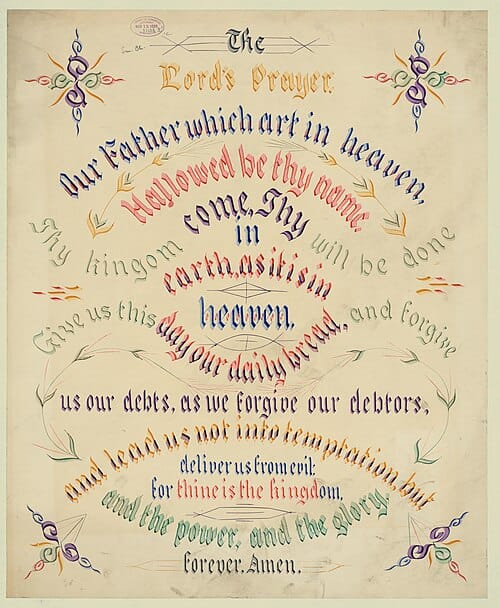
Our Father,
who art in heaven, hallowed be Thy name;
Thy kingdom come;
Thy will be done on earth as it is in heaven.
Give us this day our daily bread;
and forgive us our trespasses as we forgive those who trespass against us;
and lead us not into temptation;
but deliver us from evil.
Amen.
The Our Father begins by turning the heart toward God and then brings every human need before Him. The faithful ask that His name be honored, His kingdom come, and His will be done. They also ask for daily bread, forgiveness, strength against temptation, and deliverance from evil. In this one prayer, Jesus teaches His followers how to trust the Father with both the needs of the soul and the needs of daily life.
Biblical Origin of the Our Father

The Our Father comes directly from Jesus Christ. It is recorded in the Gospels of Matthew and Luke, where He teaches His followers how to approach God with reverence, trust, repentance, and love. Because the Son of God gave this prayer to the Church, it has held a central place in Christian prayer from the earliest days of the faith.
Jesus Teaches His Disciples to Pray
In the Sermon on the Mount, Jesus warns His disciples not to pray merely to be seen by others or to heap up empty words. He tells them that their heavenly Father already knows what they need. He then says, “Thus therefore shall you pray: Our Father who art in heaven, hallowed be thy name” (Matthew 6:9).
Saint Luke records another occasion when one of the disciples asked Jesus, “Lord, teach us to pray” (Luke 11:1). Jesus answered by teaching the same prayer. The Our Father is therefore more than a prayer composed about Christ. It is the prayer Christ Himself placed upon the lips of His disciples.
Its order also teaches the faithful how to pray. The prayer begins with God’s name, kingdom, and will before turning to daily bread, forgiveness, temptation, and evil. It lifts the heart toward the Father while bringing every spiritual and bodily need before Him.
The Our Father in Catholic Worship
From the earliest years of the Church, Christians prayed the Our Father together as members of one family in Christ. The prayer says “Our Father” rather than “My Father,” reminding each person that Christian prayer is never cut off from the needs of the Church and the human family.
The Our Father holds a special place in the Holy Mass. It is prayed after the Eucharistic Prayer as the faithful prepare to receive Jesus Christ in Holy Communion. The request for “daily bread” points to every gift needed for life, while also leading the heart toward Christ, the Bread of Life.
The Church also prays the Our Father in the Liturgy of the Hours, the Rosary, the Sacrament of Baptism, and many other acts of worship and devotion. Whether prayed in a church, with a family, or quietly by one person, it joins the faithful to the prayer Christ gave His disciples and teaches them to approach God as loving children approaching their Father.
Meaning of the Our Father - Line by Line
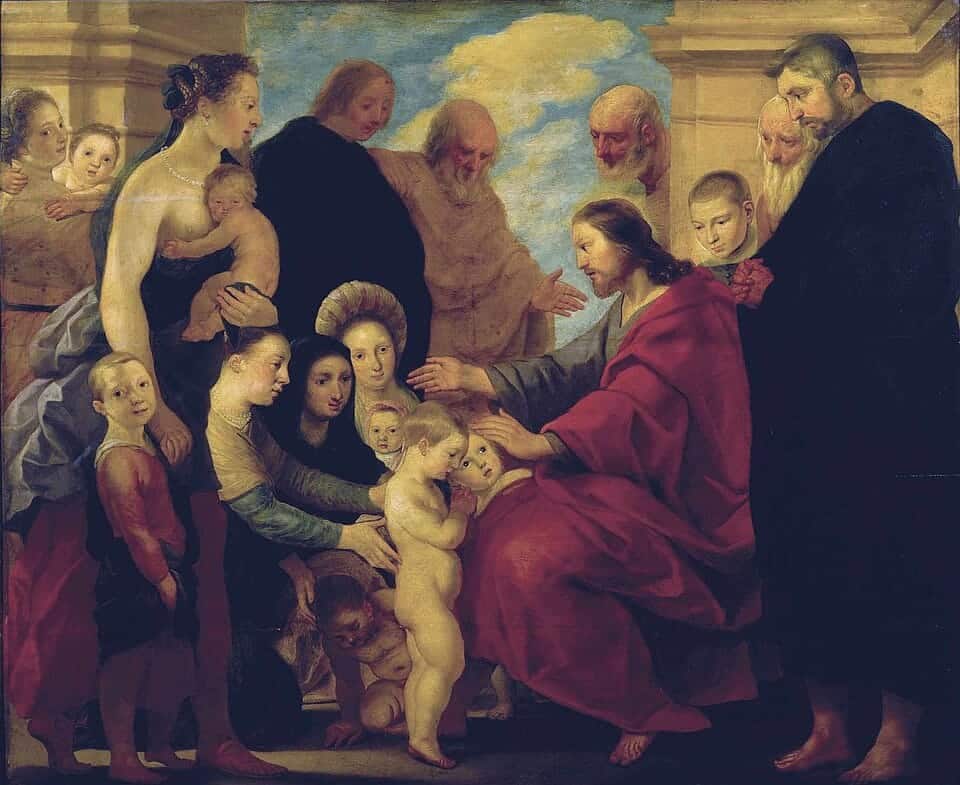
The Our Father contains seven petitions. The first three turn the heart toward God’s name, kingdom, and will. The remaining four place human needs before Him: daily bread, forgiveness, help against temptation, and deliverance from evil. Each line teaches the faithful what to desire, what to ask, and how to live as children of God.
"Our Father, Who Art in Heaven"
Jesus teaches His disciples to address God as “Our Father.” Through Baptism, the Christian becomes an adopted child of God and is joined to Jesus Christ, the eternal Son. The faithful therefore approach the Father with reverence, but also with the trust of children who know they are loved.
The word “our” shows that this prayer is never only about one person. Each person prays as a member of the Church and includes the needs of others. “Who art in heaven” does not mean that God is far away. It points to His holiness and majesty, while reminding the faithful that their true home is with Him.
"Hallowed Be Thy Name"
To hallow God’s name means to honor it as holy. God does not need mankind to make Him holy, for He is holiness itself. This petition asks that His name be known, loved, praised, and treated with reverence throughout the earth.
The faithful also ask that their own lives bring honor to God. His name is hallowed when Christians worship Him faithfully, speak of Him with respect, obey His commandments, and show His goodness through works of mercy. A careless or sinful life can hide the faith from others, while a holy life points them toward the Father.
"Thy Kingdom Come"
God’s kingdom is His rule over hearts and lives. It came among mankind in Jesus Christ, grows through the Church, and will be fully revealed when Christ returns in glory. In this petition, the faithful ask that sin lose its hold, that souls receive the Gospel, and that Christ reign within them.
This line also expresses the hope of eternal life. The Christian does not place all hope in the passing things of earth, but waits for the kingdom where sorrow, death, and sin will be no more. Praying “Thy kingdom come” calls each person to begin living under Christ’s rule now.
"Thy Will Be Done on Earth as It Is in Heaven"
The angels and saints in heaven obey God with love and without resistance. In this petition, the faithful ask for the grace to obey Him on earth with that same willing heart. God’s will is good, even when it is difficult to understand or accept.
This prayer is not a surrender to blind fate. It is an act of trust in a loving Father who sees what His children cannot see. The Christian seeks God’s will through Scripture, the teaching of the Church, prayer, the duties of one’s state in life, and the wise counsel of faithful people. Like Jesus in Gethsemane, the soul learns to say, “Not my will, but thine be done” (Luke 22:42).
"Give Us This Day Our Daily Bread"
This petition asks God to provide what is needed for each day. Daily bread includes food, shelter, work, health, and the other needs of human life. Because the prayer says “give us,” it also reminds the faithful to care for the poor and to share God’s gifts with those who lack what they need.
Daily bread also points toward the life of the soul. The faithful need the word of God, His grace, and above all Jesus Christ in the Holy Eucharist. Christ said, “I am the bread of life: he that cometh to me shall not hunger” (John 6:35). This petition teaches trust in God’s care without greed, fear, or needless worry about tomorrow.
"And Forgive Us Our Trespasses"
A trespass is a sin against God and the order He has established. By asking forgiveness, the faithful admit that they have sinned and cannot save themselves. They approach the Father with sorrow, trusting in the mercy won by Jesus through His Passion, death, and Resurrection.
This petition calls for an honest examination of conscience and true repentance. Catholics receive God’s pardon in a special way through the Sacrament of Confession when they confess their sins with sorrow and a firm purpose of amendment. The word “trespasses” carries the same basic meaning as “debts” or “sins” in other forms of the Lord’s Prayer: mankind owes God love and obedience, yet often fails to give Him what is due.
"As We Forgive Those Who Trespass Against Us"
The request for mercy is joined directly to the duty to forgive. A person cannot sincerely ask God to release his debt while refusing mercy to someone else. Jesus warns, “If you will not forgive men, neither will your Father forgive you your offences” (Matthew 6:15).
Forgiveness does not mean pretending that evil was harmless or allowing abuse to continue. It means giving up hatred, revenge, and the desire to see another person destroyed. The wounds may take time to heal, and justice may still be needed, but the Christian asks for the grace to place the offender in God’s hands and seek peace whenever peace is possible.
"And Lead Us Not into Temptation"
God does not tempt anyone to sin. Saint James teaches, “God is not a tempter of evils: and he tempteth no man” (James 1:13). This petition asks the Father not to let His children enter temptation unguarded or fall beneath its power.
Temptation may come through the world, the weakness of fallen human nature, or the devil. The faithful ask for wisdom to recognize danger, strength to resist it, and humility to flee occasions of sin. This line also reminds them to remain watchful, pray often, receive the sacraments, and depend upon grace rather than their own strength.
"But Deliver Us from Evil"
The final petition asks God to free His children from every form of evil, especially sin and the power of the evil one. It includes protection from spiritual harm, falsehood, despair, hatred, and anything that draws the soul away from God.
Christ has already won the victory through His Cross and Resurrection. Evil may still wound and frighten, but it does not have the final word. When the faithful pray this line, they place themselves, their families, the Church, and the whole human family beneath God’s protection, trusting that He can bring His children safely through every trial and lead them to eternal life.
The Our Father and the Rosary
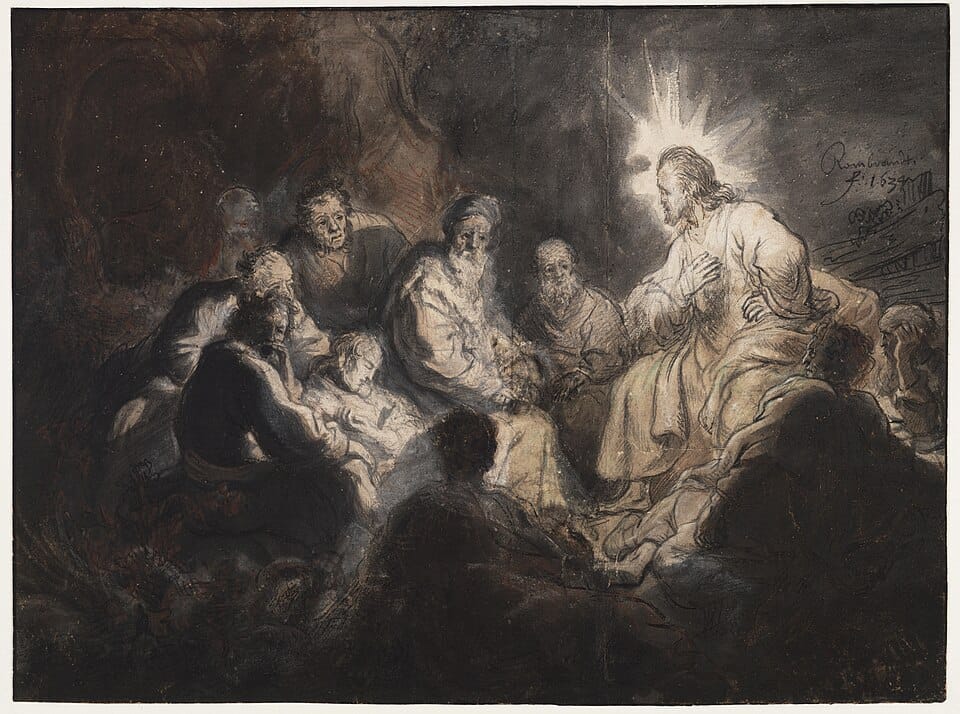
The Our Father has a central place in the Holy Rosary. It begins each decade by turning the heart toward God the Father before the faithful meditate upon a mystery from the life of Jesus and Mary. Its petitions for God’s kingdom, daily bread, forgiveness, and protection help prepare the soul to enter each mystery with faith and trust.
Where the Our Father Is Prayed in the Rosary
During the opening prayers of the Rosary, the Our Father is prayed on the first large bead after the Apostles’ Creed. It is followed by three Hail Marys, commonly offered for an increase in faith, hope, and charity, and then by the Glory Be.
The Our Father is also prayed on the large bead at the beginning of each decade. After the mystery is announced, the faithful pray the Our Father before the ten Hail Marys. This pattern places each mystery beneath the will of God and prepares the heart to meditate upon the life of Christ with the Blessed Virgin Mary.
How Many Our Fathers Are in the Rosary?
A standard five-decade Rosary contains six Our Fathers. One is prayed during the opening prayers, and one is prayed at the beginning of each of the five decades.
When all twenty mysteries are prayed together, the complete Rosary contains twenty-one Our Fathers: one during the opening prayers and twenty before the decades. Each set of five mysteries prayed separately will usually contain six.
Praying the Our Father with Each Mystery
The Our Father should not be treated merely as a step between announcing the mystery and praying the Hail Marys. Its words can help the soul enter the mystery that follows. “Thy kingdom come” recalls the reign of Christ, while “Thy will be done” calls the faithful to follow the obedience of Jesus and Mary.
As the Our Father is prayed, the mystery may be placed before God along with personal intentions, the needs of the Church, and the suffering of others. The prayer opens the decade by placing everything in the Father’s hands. The Hail Marys that follow then allow the faithful to remain with Mary while meditating upon Jesus Christ.
How to Pray the Our Father from the Heart

The Our Father can be spoken in less than a minute, but its words are meant to shape the whole Christian life. Praying it from the heart requires more than remembering the lines. The faithful should listen to what they are saying, bring their real needs before God, and allow each petition to guide their choices after the prayer has ended.
Pray Slowly and with Attention
Because the Our Father is so familiar, it can be easy to recite it without thinking about its meaning. Slowing down helps the heart remain with the words. A brief pause between the petitions can give the soul time to consider God’s name, His kingdom, His will, and the needs being placed before Him.
Distractions do not make the prayer worthless. When the mind wanders, the person can quietly return to the words without becoming discouraged. Beginning with a moment of silence, making the Sign of the Cross, and remembering that one is speaking to the Father can help bring greater attention and reverence.
Bring Daily Needs Before the Father
The Our Father gives the faithful permission to bring every honest need before God. “Give us this day our daily bread” includes food, work, health, family concerns, spiritual strength, and whatever is necessary to fulfill the duties of daily life. Nothing is too small to place before a loving Father.
The word “us” also widens the prayer beyond personal needs. While praying, the faithful can remember family members, the poor, the sick, the lonely, the Church, and all who are suffering. Personal intentions do not need to be added aloud. They can be held quietly in the heart as each petition is prayed.
Live What the Prayer Asks
The Our Father should continue after the final “Amen.” A person who prays for God’s will must also seek to obey it. One who asks for daily bread should be willing to share with those in need. One who asks for forgiveness must also struggle to forgive others.
The prayer also calls the faithful to avoid occasions of sin, resist temptation, and trust God during trials. These changes may not happen all at once, but each sincere prayer is an invitation to begin again. When its words are carried into daily choices, the Our Father becomes not only a prayer spoken to God, but a pattern for living as His child.
Living the Our Father Daily

The Our Father is not meant to remain only on the lips. Its petitions should influence how the faithful treat others, fulfill daily responsibilities, respond to temptation, and trust God during uncertainty. Living the Our Father means allowing the prayer of Jesus to guide ordinary choices throughout the day.
Forgiving Others as We Are Forgiven
Every time the faithful pray the Our Father, they ask God to forgive them as they forgive those who have sinned against them. These words call for more than a general willingness to forgive. They invite each person to release resentment, refuse revenge, and pray for the grace to show mercy.
Forgiveness may be difficult, especially when a wound is deep or repeated. It does not require pretending that the wrong never happened, abandoning necessary boundaries, or ignoring justice. It means placing judgment in God’s hands and refusing to let hatred rule the heart.
This can begin with a simple prayer for the person who caused the hurt. The feelings may not change immediately, but the decision to forgive opens the heart to God’s healing. By returning to this petition each day, the faithful learn to give others the mercy they themselves continually receive.
God's Will in Ordinary Duties
“Thy will be done” applies not only to major decisions or moments of suffering. God’s will is often found in the ordinary responsibilities of each day: caring for family, working honestly, keeping promises, helping someone in need, and remaining faithful when no one else notices.
Daily duties can become acts of love when they are offered to God. Tasks that appear small or unimportant can help form patience, humility, perseverance, and charity. Rather than waiting for an extraordinary calling, the Christian begins by serving God faithfully in the responsibilities already placed before him.
Living this petition also requires accepting that plans may change. Delays, disappointments, and unexpected burdens can become occasions to trust the Father. The faithful may ask for a difficulty to be removed while still praying, with Christ, that God’s will be accomplished.
Resisting Temptation and Asking for Protection
The final petitions of the Our Father remind the faithful that the Christian life includes a real struggle against sin and evil. Asking not to be led into temptation should be joined to practical choices that avoid situations, habits, and influences that weaken the soul.
Resistance begins by recognizing personal weaknesses. Frequent prayer, Scripture, Confession, Holy Communion, and the guidance of the Church strengthen the Christian against temptation. It is also wise to leave an occasion of sin quickly rather than remaining near it and trusting only in personal willpower.
When temptation or fear arises, even a brief prayer such as “Father, deliver me from evil” can turn the heart back toward God. The faithful do not face spiritual trials alone. Christ has defeated sin and death, and He gives His grace to those who seek protection, persevere in prayer, and place their trust in Him.
Frequently Asked Questions
A standard five-decade Rosary contains six Our Fathers. The first is prayed on the large bead after the Apostles’ Creed, and another is prayed at the beginning of each of the five decades. When all twenty mysteries are prayed together, the complete twenty-decade Rosary contains twenty-one Our Fathers: one during the opening prayers and one before each decade.
It is common for the mind to wander during a familiar prayer, especially when a person is tired or distracted. This does not mean the Rosary should be abandoned. As soon as you notice that your attention has wandered, gently return to the words without becoming discouraged. Slowing down, emphasizing a particular petition, or offering the decade for a clear intention can help you pray the Our Father with greater attention.
The Gospel accounts use different words when recording the Lord’s Prayer. Matthew 6:12 speaks of “debts,” while Luke 11:4 uses “sins” in the Douay-Rheims Bible. The word “trespasses” became the familiar wording in the traditional English form of the prayer. All three terms express the same basic truth: sin is an offense against God, and the faithful must ask for His mercy while also forgiving those who have offended them.
Yes. The Rosary is both vocal and meditative prayer, not something that must be rushed. When praying alone, you may pause after a line such as “Thy will be done” or “Forgive us our trespasses” and speak to the Father in your own words. When praying with others, shorter pauses are usually more appropriate so that everyone can remain together. The purpose is to pray attentively rather than merely finish the words.
Yes. The Our Father was taught by Jesus to His disciples and may be prayed by anyone who sincerely desires to turn toward God. Many non-Catholic Christians already pray the Lord’s Prayer regularly. A person who is unfamiliar or uncomfortable with other parts of the Rosary may still join in the Our Father or listen respectfully while the remaining prayers are said.
Bring that difficulty honestly before God rather than avoiding the line. You might pray, “Father, I do not fully understand or accept these words yet. Please help me.” Read a faithful explanation of the petition, reflect upon the related passages of Scripture, or speak with a priest or trusted Catholic. Continue praying the entire Our Father with humility, allowing God to use the difficulty to deepen your understanding and faith.
More Rosary Resources
Rosary Prayers

Charles Rogers is a resident of South Carolina and a retired computer programmer by trade. Raised in various Christian denominations, he came to faith in Jesus Christ early in life. In 2012, he began experiencing authentic spiritual encounters with the Blessed Virgin Mary, which led him on a seven-year journey at her hands, that included alcohol addiction, a widow maker heart attack and death and conversion to the Catholic Faith. He is the exclusive author and owner of Two Percent Survival, a website dedicated to and created in honor of the Holy Mother. Feel free to email Charles at twopercentsurvival@gmail.com.

May Our Lady of the Rosary lead you deeper into the grace you have been given. Pray always, and trust the mercy of God while the door remains open.
— Two Percent Survival