

The Letter from Beyond
Hell and the Rejection of Grace
Introduction
The Letter from Beyond is a Catholic devotional account of hell, death, and the soul’s eternal destiny. In devotional circles, it is also called “the letter from hell,” and it has circulated under several titles in different languages. The text emerged from a German account first circulated in the late 1930s and published with an imprimatur from the Diocese of Trier — historically known in English as Treves — in 1953.
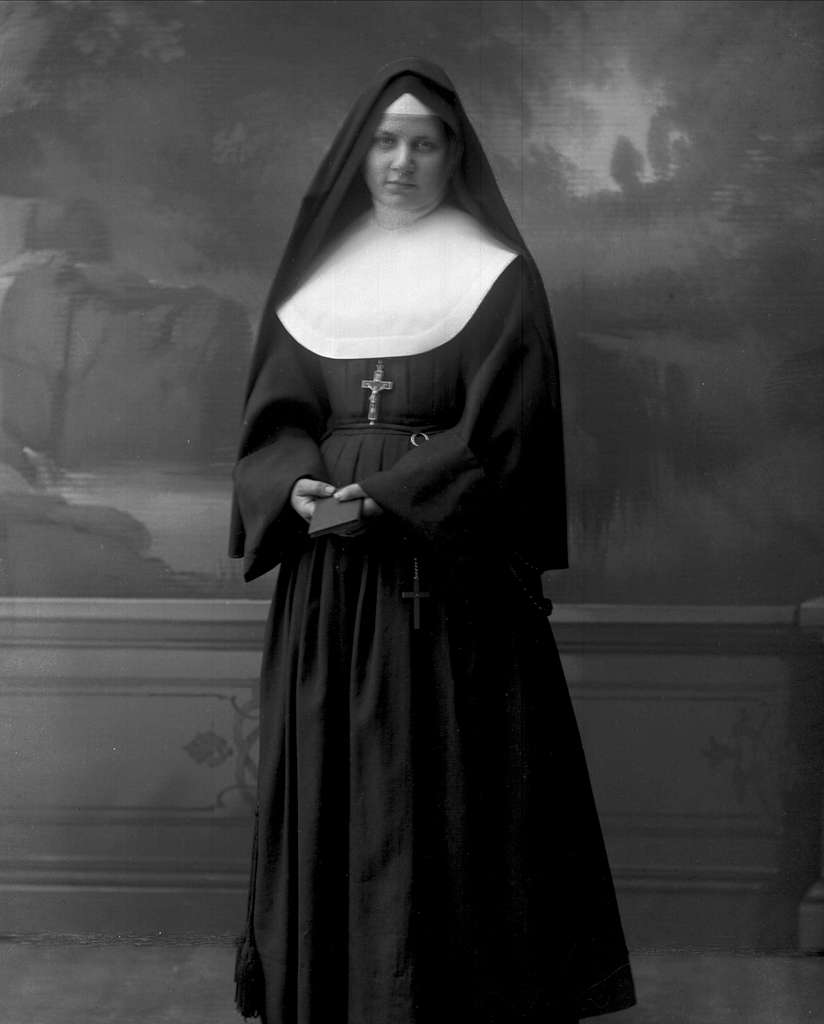
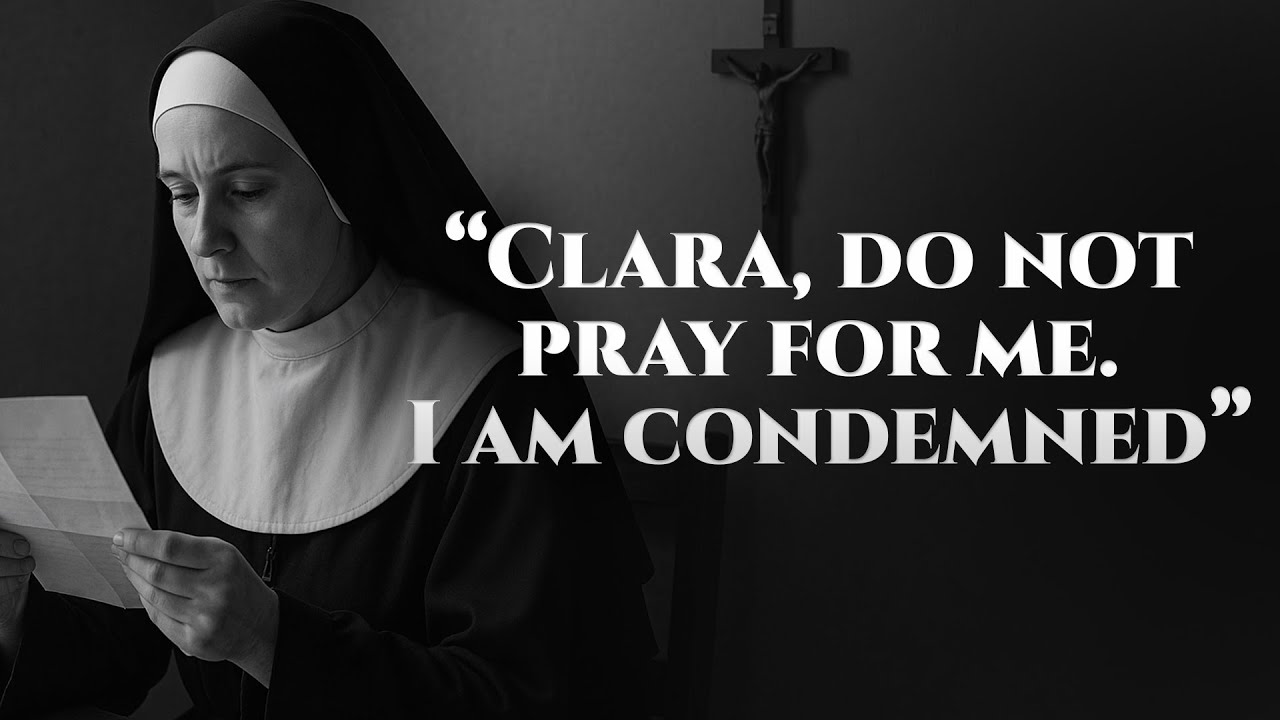
It tells of a young woman, called Ani in the account and elsewhere rendered as Anne or Anita, whose sudden death in an automobile accident became the occasion for what is presented as a message from beyond the grave. According to the narrative, the letter was found among the papers of a nun named Claire in this account, and was written Clara in some versions, who is said to have received it in a vivid dream.
The letter carries genuine ecclesiastical weight of a specific and limited kind. Father Bernhardin Krempel, a Doctor of Theology, published it separately and added footnotes demonstrating its agreement with Catholic teaching. But an imprimatur judges doctrine, not history: it certifies that a text contains nothing contrary to faith and morals. It does not state that the events occurred, nor does it guarantee a supernatural origin. The Church offers this account as private devotional reading, not as public revelation, which closed with the death of the last Apostle.
What follows is a guide to the letter — its provenance, its claims, the doctrine it dramatizes, and the Marian remedy it points toward. The letter’s own words appear here only in brief, where a single line carries weight that a paraphrase cannot. Everything around those lines is commentary, offered to help the reader understand what the letter says and why the Church’s settled teaching on the Four Last Things stands firmly behind its warning.
Quotations are from “The Letter from Beyond” (also published as “A Letter from Beyond”), as published by America Needs Fatima, a campaign of The American Society for the Defense of Tradition, Family and Property, in the English translation by Marian Therese Horvat, Ph.D. The complete text is freely available from America Needs Fatima — A Letter from Beyond. Reproduced here in limited part for commentary and instruction.
Why The Letter from Beyond Is Also Called “The Letter from Hell”
Catholics often call this account The Letter from Hell because it presents itself as a warning spoken by a soul that died separated from God. As the narrative spread across countries and languages, it appeared under several titles — A Letter from Hell, The Letter from Beyond the Grave, and Ani’s Letter — and the soul herself is named variously as Ani, Anne, or Anita, while the nun who recorded the dream appears as Claire or Clara. The Letter from Beyond and the Letter from Hell are the same text; the different names simply reflect how widely it traveled.
The purpose of the account is not curiosity about the dead, but repentance among the living. It warns about mortal sin, neglected prayer, delayed confession, and the slow rejection of grace. Its message rests on the Church’s constant teaching about the Four Last Things: death, judgment, heaven, and hell.
A Soul Speaks from Hell
The Letter from Beyond opens with words that leave no room for comfort. A soul speaks, and from her first lines she declares that her death has fixed her forever in a state from which there is no appeal and no return.
“Do Not Pray for Me — I Am Condemned”
These words shock because they invert what we expect from the dead — not a plea for prayers, but a refusal of them. The soul does not speak with confusion or doubt; she speaks with terrible certainty. The Catholic Church teaches that after death comes judgment (Hebrews 9:27), and that the soul’s fundamental orientation — toward God or away from Him — becomes permanent at that moment. The letter dramatizes this in severe language, but the doctrine itself is settled: the will, formed by a lifetime of choices, is revealed and fixed at death. The soul’s certainty is not despair imposed from outside. It is the soul recognizing what it has made of itself.
The Reality of Hell After Death
The letter insists that hell is not a symbol or a passing sadness but a real condition of separation from God. It describes fire — yet it is careful to say that the fire is not the deepest suffering. The greatest torment, the soul claims, is the loss of God Himself: to know, with full clarity, what was rejected, and to know that the loss is now permanent. In life, she treated God lightly and postponed repentance. Beyond death, the letter says, that indifference has hardened into something that can no longer be undone.
The Chief Punishment: Eternal Separation from God
According to Catholic teaching, the chief punishment of hell is precisely this eternal separation — what theologians call the *poena damni*, the pain of loss. Heaven is the vision of God; hell is the permanent absence of that vision. The physical imagery in the letter reinforces the reality of punishment, but the deeper wound is spiritual: never to see God, never to share in heaven, never again to receive grace. The letter’s purpose in describing this is not to satisfy curiosity but to strip away indifference while there is still time to choose otherwise.
Hatred, Loss, and Eternal Separation
The letter describes hell not only as fire and loss, but as hatred — a will turned permanently against God, and against everything that loves Him.
“We all hate one another. More than anything else, we hate God.”
This is the hardest claim in the letter, and it is easy to misread. Hell is not pictured here as an external punishment imposed on a soul that still longs for God. It is pictured as the soul’s own chosen orientation, made permanent. The damned do not want what they have lost; their will is set against it. This is what the Church means when it teaches that the lost are separated from God “by their own free choice” (CCC 1033). The horror of the letter is not that God is cruel, but that a free creature can so completely turn from love that it becomes, finally, what it chose.
How The Letter Describes a Will Hardened Against Grace
The letter shows that this hardening was not sudden. The soul does not plead for mercy or ask for prayers because she no longer desires them. Her account traces a will formed by repeated refusals — small resistances that became habit, a habit that became character. What began as indifference toward God gradually became rejection. Death did not create this state; it revealed and sealed it. The lesson the letter presses is sobering in its simplicity: a person becomes, in eternity, what they have repeatedly chosen to be in time.
How Small Spiritual Neglect Begins the Fall of the Soul
In the letter, the soul looks back on a life that was Catholic in name but weak in practice. Mass was infrequent, prayer was treated as optional, and grace was received as something one could take or leave rather than the very life of the soul. None of this looked dramatic from the outside. She could appear devout while drifting inwardly. The letter’s warning is that a soul’s fall rarely begins with open rebellion. It begins with small neglect — a missed prayer, a postponed confession, a reverence performed without heart — repeated until it shapes the whole direction of a life.
Grace Ignored in Youth
The soul recalls that grace was present in her early years, even when it was unwelcome — moments of instruction, her parents’ influence, the stirring of conscience. These were treated lightly. The letter does not present youth as a season without consequence, but as the beginning of formation. Habits formed early — whether of prayer and reverence, or of neglect and self-direction — follow the soul into adulthood. The grace given in childhood, the letter suggests, is not trivial. It is preparation for eternity.
How Neglecting Prayer can Lead the Soul Toward Ruin
If the letter has a single most-quoted line, it is the one about prayer — and it speaks directly to the heart of what this entire site exists to encourage.
“All those who burn in Hell either did not pray, or did not pray enough.”
This is the line that ties the letter to the whole Catholic life of prayer. It does not claim that prayer is a formula that guarantees heaven, nor that salvation can be earned by repetition. It claims something simpler and more searching: that prayer is the channel through which grace reaches the soul, and that a soul which stops praying slowly stops receiving.
The Church has always taught that the faithful must pray for the grace of final perseverance — the grace to die in friendship with God. Daily prayer, especially the Rosary, keeps the soul attentive and disposed to that grace. The letter’s warning is that when prayer fades, the soul does not usually fall in a moment; it drifts quietly until it no longer seeks God at all.
A Life Without Prayer Leads to Ruin
The soul states plainly that the damned either did not pray or did not persevere in prayer. This is presented as a hard lesson learned beyond death, when grace is no longer offered. Hell, in the letter’s telling, does not begin with dramatic sin. It begins with spiritual neglect: a day without prayer becomes a week, then a settled habit of living as though God does not matter. Without prayer the soul no longer asks for mercy, no longer seeks forgiveness, no longer desires heaven with any urgency. The letter insists that this quiet absence is the real danger.
This echoes the warning of Our Lady of Fatima, who showed the three children a vision of souls falling into hell “like snowflakes” for want of prayer and sacrifice, and asked that the Rosary be prayed daily for their rescue.
Catholic Prayers as the First Defense
Prayer, in the letter, is not decoration in a Catholic life — it is defense. The familiar prayers the soul knew from youth could have kept her close to God, and when they faded, her resistance to grace grew. Morning and evening prayer, examination of conscience, the penitential psalms, and devotion to Mary form habits that keep the soul ready to repent when it falls. These prayers do not replace grace; they dispose the soul to receive it. They interrupt the long pattern of neglect that the letter describes, and they keep the reality of death, judgment, and eternity before the mind.
Devotion, Grace, and the Mother of Christ
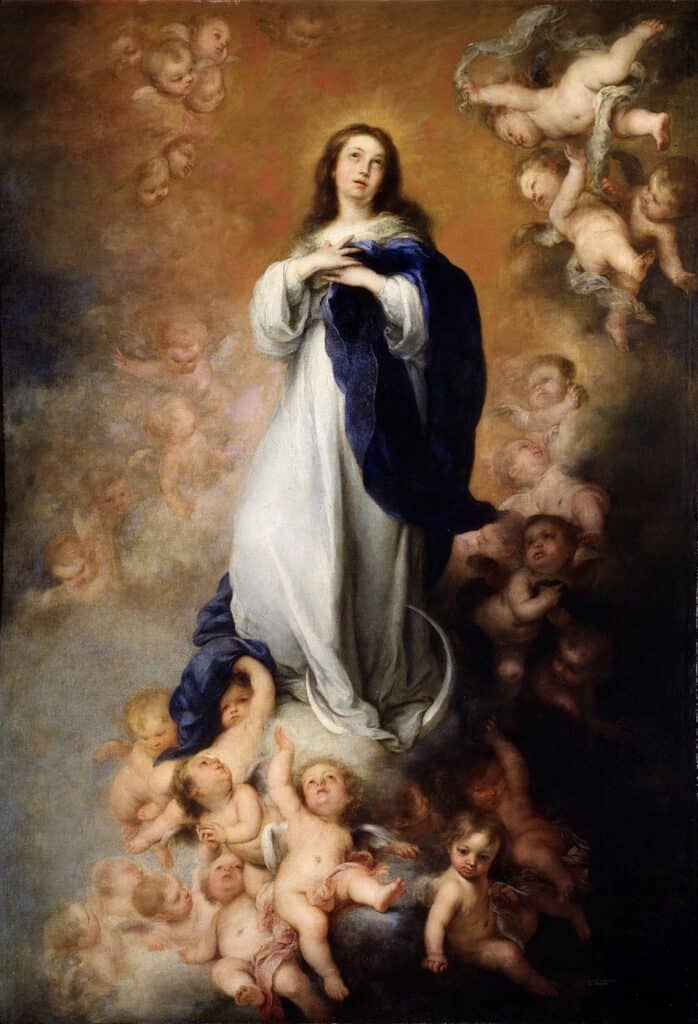
The dream that frames the letter resolves on a Marian note — and this is the page’s own home ground. The narrator, Claire, waking from the vision to the sound of the Angelus, understands something the soul in hell had refused.
“One must always cling to Our Lord’s blessed Mother, venerate Mary as her own child, if one does not want to suffer the same fate”
This is the turn that gives the letter its true purpose. The account of hell is severe, but it does not end in the abyss; it ends with a sleeping woman waking to church bells and the resolution to cling to the Mother of God and venerate her as a child venerates her own mother. The contrast is deliberate, and it is the whole point. The soul in hell had neglected devotion to Mary among the graces she let slip. The narrator, still living, is given the same devotion as a refuge — and she takes it.
This is exactly what the Church has always taught about Marian devotion: that Our Lady’s intercession obtains grace for those who turn to her, and that to go to the Mother is to be led to her Son. Devotion to Mary does not replace God or override free will. It disposes the soul to humility, repentance, and trust — softening exactly the pride that the letter shows hardening into rejection.
The Rosary keeps the life of Christ before the soul’s eyes. Consecration to Mary entrusts one’s whole life to her maternal care. These are not sentimental extras; in the letter’s framing, they are the practical means by which a wavering soul is steadied and kept close to grace.
The tragedy of the letter is not that this devotion failed Ani. It is that she ignored it while there was still time. The mercy of the letter is that the same devotion is still freely offered to everyone reading it.
Marian Devotion and Perseverance
In the letter, Marian devotion appears as one of the graces the soul neglected while she still had time — a help offered during life, never a remedy summoned after death. Devotion to Mary, in the letter’s telling, steadies the soul when grace stirs the heart and conscience warns of danger. Where pride hardens the will, Marian prayer softens it. The warning is plain: what is available in life cannot be called upon after death. Devotion must be lived while the day remains.
Prayer as Protection for the Soul
The tragedy of the letter is not that grace was never offered, but that it was known and set aside. The soul had heard the prayers of the Church since youth — the Our Father, the Hail Mary, the prayers before Mass, the calls to repentance — and gradually let them fall silent. These prayers are not empty formulas. They form the soul, keep the mind fixed on God, and remind the heart that life is short and eternity is real. A soul that prays daily is more likely to repent quickly and to resist indifference. Prayer does not force salvation, but it disposes the soul to receive the grace that saves.
How Sin and Worldliness Lead a Soul Away From God
In the letter, the soul does not fall through a single dramatic crime, but through repeated habits that quietly reshape her life. Worldliness slowly replaced devotion. Comfort, pleasure, status, and a human attachment gradually moved to the center where God had been. The soul herself names this as her apostasy — making a god of a creature. It was not simply that she enjoyed good things, but that she knowingly preferred them to God and ordered her life around them.
How Worldly Habits Quietly Replaced God
The soul points not to a single great sin but to small choices: casual indifference, postponed prayer, neglected confession, quiet resistance to grace. None seemed decisive at the time. Yet repeated day after day, they set the direction of her life. A thought tolerated becomes a habit; a habit becomes character; character shapes the will. By the time death arrived, the soul stood as it had trained itself to stand. The warning is not despair but vigilance: every ordinary day shapes eternity.
The Interior Drift: How Repeated Refusals Formed the Will
Some of the most sobering words in the letter are not about fire but about resistance. The soul recalls moments when grace stirred — a thought of confession, a pull toward prayer, an uneasiness after sin — and recalls silencing them. What could have led to repentance was dismissed as weakness, and the dismissal became habit. The heart did not harden suddenly; it grew firm through repetition, each refusal making the next easier, until the voice of conscience grew faint. The letter’s claim is quiet and severe: the soul became what it repeatedly chose to be.
Presumption, Delay, and Final Judgment
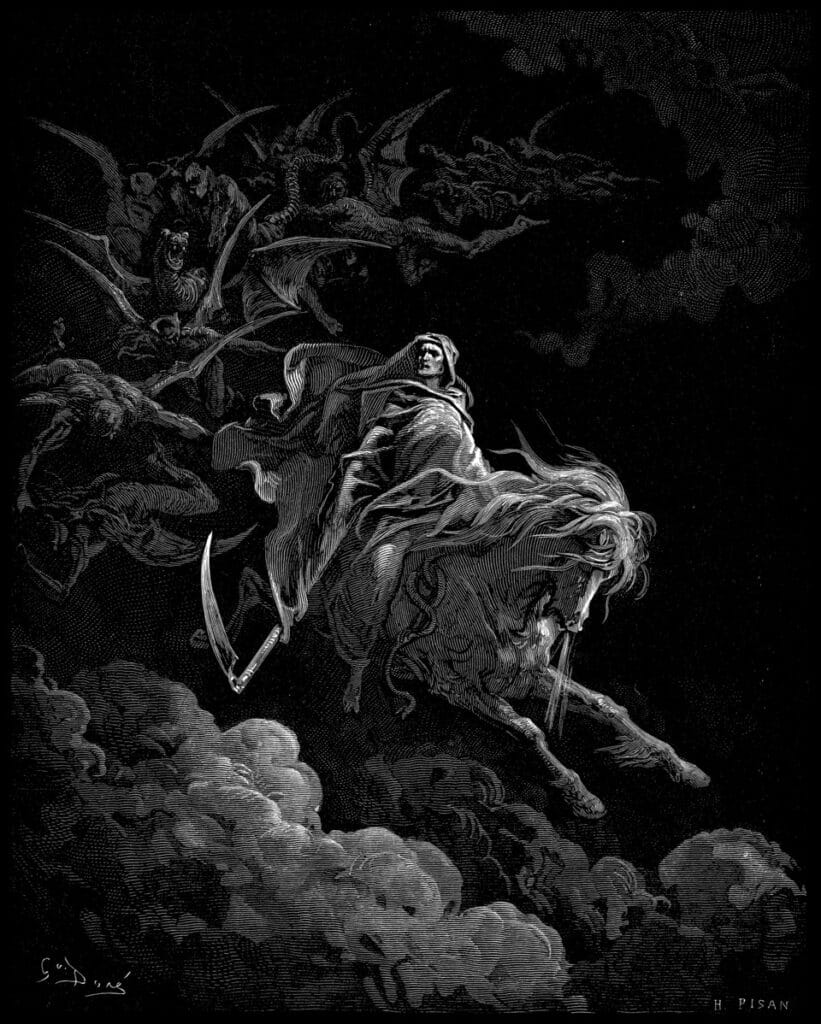
Among the soul’s refusals, one was not a sin of passion but of postponement — the steady assumption that there would always be more time.
“I yet entrenched myself behind the thought that there was still time for me to convert.”
Presumption is the quietest of the deadly attitudes because it never feels like a decision. Each day looks ordinary; work continues, life continues, and the thought of death is pushed gently aside. The soul describes believing that confession could wait, that conversion could begin later, that there would be a more convenient season. That assumption, repeated, formed a will that no longer wished to change. The Church names presumption a sin against hope precisely because it gambles eternity on a future that is not promised. Death does not announce itself in advance. The day that feels like every other day can be the last.
Mortal Sin and the Danger of Dying Unrepentant
The letter reflects the Church’s teaching that mortal sin separates the soul from sanctifying grace, and that a soul which knowingly and freely rejects God through serious sin must repent before death through sincere conversion and confession. The danger it describes is not mere weakness but persistent refusal to return to God while time remains — a refusal that can harden the heart until death arrives unexpectedly.
Waiting Too Long
The most tragic theme in the letter is not open rebellion but delay. The soul admits she believed there would always be time to return. Presumption did not feel dangerous while she lived it; it felt reasonable. Yet the habit of postponing grace slowly formed a heart that no longer desired to change. By the time sudden death came, its direction was already set. Waiting too long, the letter shows, is not a single mistake but a pattern — and beyond death there is no further delay.
Sudden Death and Eternal Consequences
The turning point comes without warning: an ordinary day interrupted by an accident: no long illness, no final preparation, no last careful confession. The letter insists that sudden death does not create a new heart — it reveals the one already formed. In her final instant, the soul did not turn toward grace; she remained as she had lived. The lesson is not panic but sobriety: live in the state of grace now, because eternal consequences do not wait for convenient timing.
Particular Judgment
Particular judgment is the individual accounting each soul faces immediately at death, distinct from the general judgment at the end of time. The Catechism states it plainly: “Each man receives his eternal retribution in his immortal soul at the very moment of his death, in a particular judgment that refers his life to Christ” (CCC 1022). Scripture is equally direct: “It is appointed unto men once to die, and after this the judgment” (Hebrews 9:27, Douay-Rheims). In the letter, the soul describes this moment as a sudden, total clarity in the presence of God — her whole life revealed in truth, with nothing hidden and nothing left to decide.
The Judgment Declared: What the Soul Heard at the Moment of Death
The letter compresses that judgment into a few words — the words the soul says she heard.
The invisible Judge spoke: “Depart from Me!”
These words echo Christ’s own warning about eternal separation (Matthew 25:41). What gives them their weight is not drama but finality. The letter is careful to show that judgment did not invent the soul’s condition; it confirmed it. The sentence spoken at that moment corresponded exactly to the life that had been lived. Judgment, in the letter’s telling, does not create guilt — it reveals it. That is why the account is aimed not at the dead but at the living: such a moment will come for every soul, and the words spoken then will not be arbitrary.
The Soul’s Final State
The soul describes her state after judgment as unchangeable — no wavering between yes and no, no struggle, only the settled condition of a will fixed in rejection. Eternity introduces no new choices; it confirms the direction chosen in life. She knows that heaven exists and that God is real, yet her will no longer turns toward Him. The letter presents this not as punishment imposed from outside but as the enduring condition of a soul that would not surrender to God — and the deepest tragedy is the absence of any hope of change.
God's Justice and Human Freedom
The letter presents God’s justice as neither impulsive nor cruel. The soul does not claim she was condemned without warning; she describes a life in which grace was offered repeatedly and freely resisted. Justice did not invent her rejection — it confirmed it. And justice does not contradict mercy: mercy was offered throughout her life, in time given, conscience spoken to, prayers available, opportunities for repentance extended. Justice entered only after those graces were repeatedly set aside. God does not force the soul into heaven or hell; He honors the freedom He gave. What a person freely chooses in life becomes the state in which the soul stands before Him.
God’s Mercy Before Death and Final Judgment
The reality of hell in the letter stands alongside the mercy of God offered during life. The letter is clear that while death seals the soul’s state, grace and the prayers of the Church are given beforehand precisely so that no one need be lost. The warning about hell is meant to lead not to despair but to repentance and trust in God’s mercy while time remains.
Catholic Prayers for Perseverance Before Death
The tragedy of the letter is not that prayer was unknown but that it was set aside. The Church urges the faithful to pray for the grace of final perseverance — the grace to die in friendship with God. Daily prayer, acts of contrition, the Rosary, devotion to the Mother of Christ, the penitential psalms, and meditation on the Passion all keep the heart attentive to grace. These do not replace grace; they dispose the soul to receive it faithfully to the end. Perseverance is not a single moment of strength but a habit formed through repeated turning toward God.
Mercy and Prayer Before Final Judgment
The Church teaches that God’s mercy remains available until the final moment of life. Christ revealed to St. Faustina that souls should trust in Divine Mercy while there is still time for repentance. The warning of The Letter from Beyond should therefore lead not to despair but to conversion, confession, perseverance in prayer, and confidence in the mercy of Christ.
Why Ani Heard the Words
“Depart from Me”
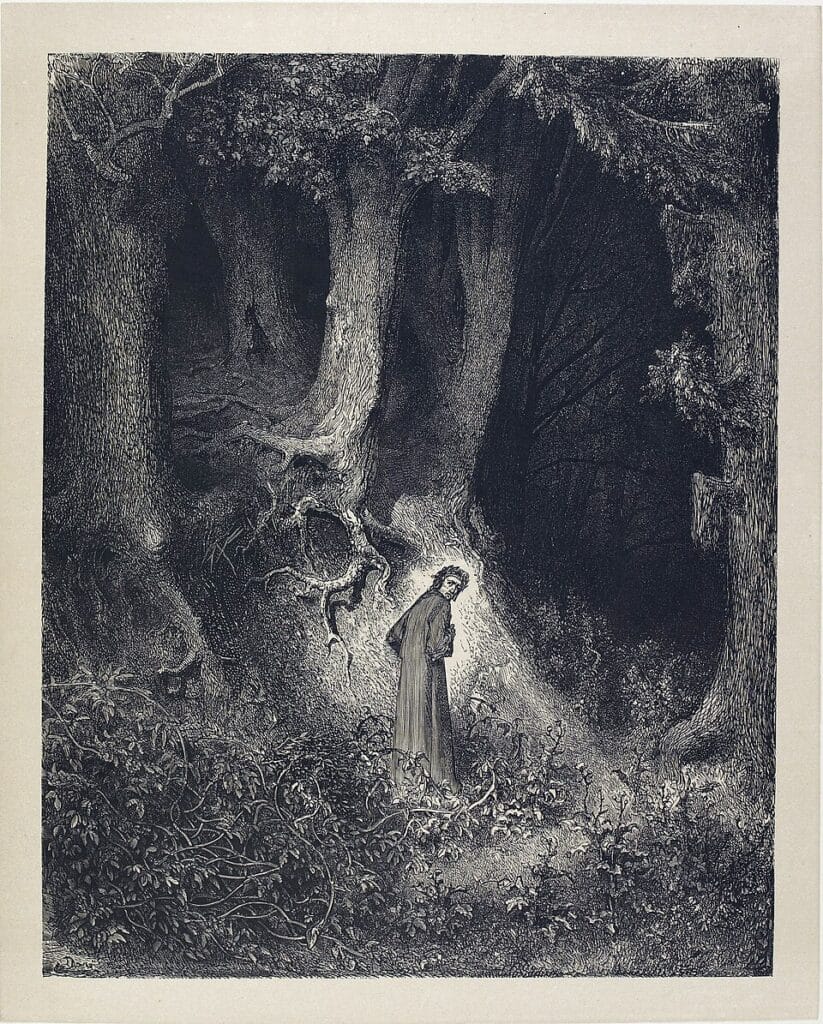
The sentence “Depart from Me” was not spoken because of one sudden sin. It was the confirmation of a long, deliberate interior choice that Ani made over many years and ratified at the moment of her death. Catholic teaching is clear that hell is not imposed on a soul that still desires God; it is the final state of a soul that freely chooses separation from Him. Our Lord Himself says, “And you would not come to me, that you might have life” (John 5:40, Douay-Rheims). Ani’s condemnation came from her refusal, not from any lack of mercy in God.
Why Condemnation Comes from the Soul's Own Choice
Throughout her life, Ani repeatedly rejected grace — invitations to pray, promptings toward confession, the attraction she felt in churches, and a final interior call to attend Mass on the morning of her death. Each time, she answered no. Grace can be resisted, and when it is resisted habitually, the will hardens. As Scripture warns, “You always resist the Holy Ghost” (Acts 7:51, Douay-Rheims). Her fall was not sudden; it was the fruit of sustained refusal.
How Abandoning Prayer Sealed the Soul's Direction
A decisive turn in her decline was the abandonment of prayer. In her last years, she no longer prayed at all, cutting herself off from the ordinary means by which God gives grace. As prayer faded, she replaced God with created goods — comfort, status, a human relationship — and made a god of a creature, a direct violation of the First Commandment. Her blindness deepened as she treated the sacraments as social formalities, approaching confession without true repentance and Communion without intention to change. Scripture warns that receiving the Eucharist unworthily brings judgment rather than blessing (1 Corinthians 11:29, Douay-Rheims). The sacraments are powerful, but they do not work mechanically; without faith and repentance, they do not heal.
The Final Refusal: Grace Rejected at the Last Moment
At the moment of death, this pattern reached its final expression. On the morning of her fatal accident, she received a last interior invitation to go to Mass, and answered it with a clear no. The Church teaches that at death the soul’s orientation becomes fixed, because the will follows the habits formed in life: “As the tree falleth, so shall it lie” (Ecclesiastes 11:3, Douay-Rheims).
Ani did not want God at the end, just as she had not wanted Him throughout her life. The sentence “Depart from Me” was not the rejection of a soul seeking mercy, but the confirmation of the soul’s own choice. Even here the narrative holds a hidden mercy: her life was shortened to limit her guilt, and the revelation itself serves as a warning to the living, while there is still time to repent, pray, and return to God.
Examine Your Path Before the Final Hour

The account of Ani is not meant to satisfy curiosity about hell. It is meant to confront the reader with one urgent question: if death came today, in what direction would the soul be facing? Our Lord speaks plainly: “Enter ye in at the narrow gate… for wide is the gate, and broad is the way that leadeth to destruction” (Matthew 7:13, Douay-Rheims). Ani’s downfall was not sudden wickedness but gradual indifference — prayer fading, confession becoming routine, Sunday Mass becoming optional, created things slowly replacing God. That path is not unusual. It is subtle. The question is not whether one feels religious, but whether one is living in the state of grace.
A Practical Examination of Conscience
A practical examination may help:
- Is daily prayer present and sincere?
- Is Sunday Mass treated as essential?
- Is Confession frequent and honest?
- Are worldly attachments ruling the heart more than God?
- Is sin resisted quickly, or excused repeatedly?
The hour of death does not create a new soul. It reveals the one already formed.
Now is the time to choose a direction.
The Sure Path: Catholic Prayer, Confession, and the Mother of God
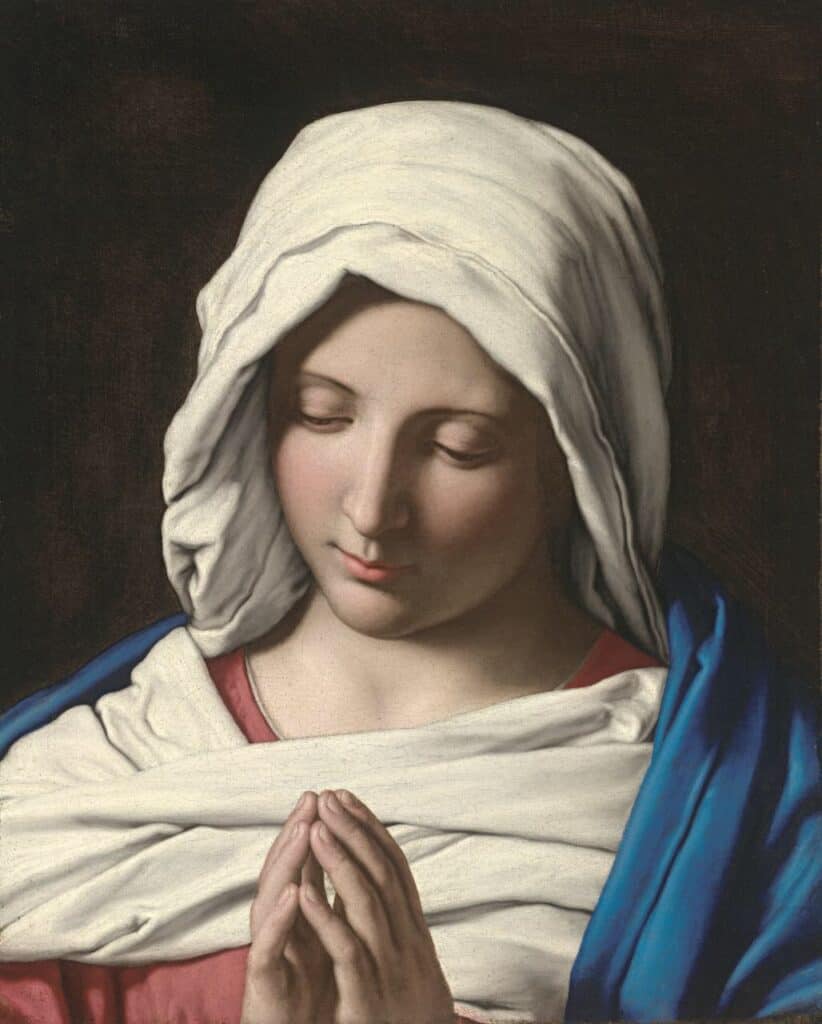
If the letter warns, the Gospel reassures.
God does not desire the death of the sinner. Scripture says:
“I desire not the death of the wicked, but that the wicked turn from his way, and live.”
— Ezechiel 33:11 (Douay-Rheims)
The path of safety is not complicated. It is the ordinary life of grace.
Daily Prayer
Prayer keeps the soul open to light, especially the Holy Rosary. Those who persevere in prayer do not drift easily into hardness of heart.Frequent Confession
The sacrament restores what sin wounds. A humble confession breaks the habit of refusal.Reverent Communion
The Eucharist strengthens charity when received worthily.Devotion to the Blessed Virgin Mary
The Catholic Church traditionally teaches that she intercedes maternally for the faithful. Her role is not to frighten but to guide. Those who entrust themselves to her are led to perseverance.
The Catechism teaches:
“To die in mortal sin without repenting… means remaining separated from him for ever by our own free choice.” (CCC 1033)
The opposite is also true.
To live in repentance, prayer, and trust means dying in friendship with God.
The purpose of this account is not fear for fear’s sake. It is vigilance joined with hope. As long as life remains, grace remains. As long as grace remains, return is possible.
The final word for the Christian is not “Depart from Me.”
It is:
“Come, ye blessed of my Father.”
— Matthew 25:34
It is worth noting what distinguishes the souls in purgatory from the soul described in this letter. Those in purgatory died in God’s friendship — imperfect, in need of purification, but oriented toward Him. They still benefit from the prayers of the faithful. The soul of this letter claims to be beyond that mercy, not because God refused it, but because she did. This contrast is not meant to produce despair, but urgency. Purgatory remains the mercy of God for those who die repentant. Hell is the consequence reserved for those who do not. While life remains, the path through repentance and prayer leads to mercy, not condemnation.
The Mother of God - I Walked Her Path
At the end of my conversion journey, there is a message from Locutions to the World from Mary herself titled “Mary’s Road”. This road I traveled, and it was the sure path. How do I know? It was an experience like no other I have ever had, and it was so difficult if nothing else. If she were not there every day, then the journey would have ended quickly due to its difficulty.
The changes I went through affected my entire life and my approach to it. The stress was high, day after day, week after week, month after month. I quickly learned that I was beneath her. Beneath Her – you read that right. I thought the stress would never end. I continued to follow her every day, regardless.
Seven years and many graces and mystical events later, I unwillingly joined the church because of Our Lady and her efforts. She wanted this. I obliged her desires. What started as a decision to start the daily rosary on a whim led to a whole life change. Just like Ani said in the letter, we have to pray. That was central to Our Lady’s fix for my life. Today, very little is the same.
Anyone reading this, I would strongly encourage you to start the Rosary, regardless of Christian denomination (including those who call themselves non-denominational), if you do not do so already. We are all responsible for one thing when all is said and done – our own souls. Jesus did not let me make the mistake Ani did. He allowed me to meet his mother, and the rest fell completely into place.
> The Letter from Beyond is a private devotional account associated with an imprimatur — a declaration by Church authority that the text contains nothing contrary to Catholic faith or morals. This approval does not certify the events as historically or supernaturally certain, and the text does not constitute public revelation, which ended with the death of the last Apostle. Catholics are free to read this letter as a form of private revelation, approaching it as a devotional aid while remaining grounded in the teaching of the Church, Sacred Scripture, and the Magisterium.
Frequently Asked Questions
No. The Church’s teaching comes from Sacred Scripture, Sacred Tradition, and the Magisterium. This letter is not public revelation and does not add doctrine. It only points readers toward truths the Church already teaches.
An imprimatur means Church authority judged the text as not containing errors against faith and morals. It does not prove the story happened as described, and it does not guarantee supernatural origin.
Yes. The Catholic Church teaches that at the moment of death the soul's fundamental orientation — toward God or away from Him — becomes permanent. This is not an arbitrary imposition but the natural consequence of freedom: the choices made during life form the will, and at death the will is revealed as it truly is. The Catechism states: "Each man receives his eternal retribution in his immortal soul at the very moment of his death, in a particular judgment" (CCC 1022). There is no further opportunity for repentance after death. This is why the Church urges the faithful to live in the state of grace now, while time remains.
Yes. The Catholic Church teaches that hell is a real state of eternal separation from God, not a symbol, a metaphor, or a temporary condition. The Catechism states: "The teaching of the Church affirms the existence of hell and its eternity. Immediately after death the souls of those who die in a state of mortal sin descend into hell, where they suffer the punishments of hell, 'eternal fire'" (CCC 1035). Our Lord Himself speaks of hell with unmistakable clarity in the Gospels. The Letter from Beyond dramatizes this teaching in narrative form — but the doctrine itself stands on Sacred Scripture and the constant Tradition of the Church, independent of any private account.
With soberness, not despair. The purpose of The Letter from Beyond is not to create fear for its own sake, but to awaken the soul to the seriousness of grace and the urgency of repentance. A healthy response includes: examining your life honestly against the path described in the letter; returning to regular prayer, especially the Rosary; approaching the Sacrament of Confession if you have been away; and renewing your trust in God's mercy while it is still freely offered. The letter's warning is severe, but it is followed by the Gospel's promise: "I desire not the death of the wicked, but that the wicked turn from his way, and live" (Ezekiel 33:11). The sure path is ordinary Catholic fidelity — prayer, the sacraments, and devotion to the Blessed Virgin Mary.
The Church has not ruled on whether the events happened. The account presents itself as a message received in a dream and found among a nun's papers, and it was published with an imprimatur and the supporting footnotes of a theologian. But an imprimatur judges only doctrine, not history. Catholics are free to read it as devotional literature that dramatizes true teaching, or as a private revelation — but no one is bound to believe the events occurred as described.
No. An imprimatur certifies that a text contains nothing contrary to faith and morals. It does not confirm that a vision was authentic, that the events happened, or that the account is of supernatural origin. It is a doctrinal clearance, not a guarantee of fact.
The full text is freely available from America Needs Fatima — A Letter from Beyond. We quote only briefly here, for commentary; the complete account is best read in full at the source.
Quotations are from “The Letter from Beyond” (also published as “A Letter from Beyond”), as published by America Needs Fatima, a campaign of The American Society for the Defense of Tradition, Family and Property, in the English translation by Marian Therese Horvat, Ph.D. The complete text is freely available from America Needs Fatima — A Letter from Beyond. Reproduced here in limited part for commentary and instruction.
If this account has stirred something in you, begin where Ani would not: in prayer. Start with our guide on how to pray the Rosary, or take the further step of entrusting your whole life to the Blessed Mother through our Marian Consecration Guide. The door of grace is open while life remains — the only wrong response is to wait.
Hear It for Yourself
The letter above is only the beginning. Watch the video below when you have a still moment — not as a distraction, but as a chance to let what you’ve just read reach you a second time, in another voice.

Charles Rogers is a resident of South Carolina and a retired computer programmer by trade. Raised in various Christian denominations, he came to faith in Jesus Christ early in life. In 2012, he began experiencing authentic spiritual encounters with the Blessed Virgin Mary, which led him on a seven-year journey at her hands, that included alcohol addiction, a widow maker heart attack and death and conversion to the Catholic Faith. He is the exclusive author and owner of Two Percent Survival, a website dedicated to and created in honor of the Holy Mother. Feel free to email Charles at twopercentsurvival@gmail.com.

May Our Lady of the Rosary lead you deeper into the grace you have been given. Pray always, and trust the mercy of God while the door remains open.
— Two Percent Survival