

Fatima Prayer
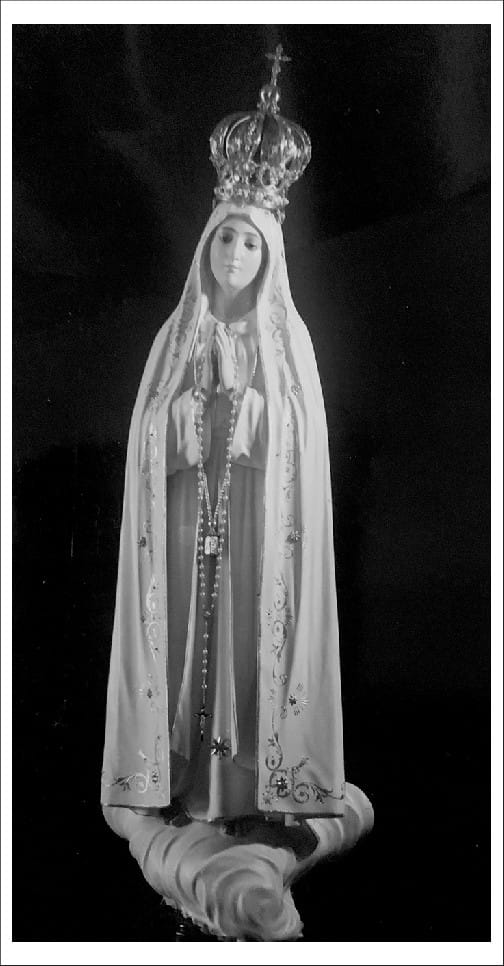
The Fatima Prayer, often called the “O My Jesus” prayer, is a short plea for mercy commonly prayed after the Glory Be at the end of each decade of the Rosary. In it, the faithful ask Jesus to forgive sins, save souls from hell, lead all souls to Heaven, and show special mercy to those most in need.
Our Lady gave this prayer to Lucia, Francisco, and Jacinta at Fatima on July 13, 1917, and asked that it be added after each mystery of the Rosary. Though brief, its words call the heart to repentance, trust in the mercy of Christ, and concern for the salvation of every soul.
The "O My Jesus" Prayer
The words below are commonly prayed after the Glory Be at the end of each decade of the Rosary. Addressed directly to Jesus, they ask for forgiveness, deliverance from hell, and mercy for every soul, especially those in the greatest spiritual need. The prayer is brief enough to memorize, yet its meaning reaches to the heart of the Gospel: repentance, trust in Christ, and love for sinners.
O my Jesus, forgive us our sins, save us from the fires of hell,
lead all souls to Heaven, especially those most in need of Thy mercy.
Amen.
Portuguese Text
Ó meu Jesus, perdoai-nos, livrai-nos do fogo do inferno;
levai as alminhas todas para o Céu, principalmente aquelas que mais precisarem.
Latin Text
O mi Iesu, dimitte nobis debita nostra, salva nos ab igne inferni,
perduc in caelum omnes animas, praesertim illas quae maxime indigent misericordia tua.
Meaning of "O My Jesus"

The words of “O My Jesus” move from personal trust in Christ to a plea for mercy that embraces every soul. They acknowledge the reality of sin, the danger of hell, the hope of Heaven, and the need to pray for sinners. Each phrase is simple, yet together they express repentance, hope, intercession, and reparation. When prayed with attention, these words help the faithful turn away from sin, trust in the mercy of Jesus, and desire the salvation of others.
"O My Jesus"
The prayer begins by turning directly to Jesus. The words “my Jesus” express trust and closeness, for the believer is speaking to the Lord who suffered, died, and rose for the salvation of mankind. Jesus is not distant from the sinner who calls upon Him. He knows every weakness, wound, and failure, yet He invites the soul to return to Him with confidence.
This opening also places the whole prayer in the hands of Christ. Forgiveness, rescue from hell, and entrance into Heaven come through Him. The person praying begins not with fear, but with faith in the Savior whose mercy is greater than every sin sincerely repented.
“Forgive Us Our Sins”
These words are a direct confession that sin is real and that every person needs mercy. The faithful do not excuse wrongdoing or place all blame upon others. They stand before Jesus and ask pardon for sins committed in thought, word, deed, and omission.
The word “us” is also important. The prayer is not only for the person holding the Rosary but for sinners everywhere. It becomes an act of love and reparation, asking that hearts hardened by sin may be moved to repentance. This plea does not replace the Sacrament of Penance, but it can awaken sorrow for sin and strengthen the desire to make a good Confession.
“Save Us from the Fires of Hell”
This phrase faces the grave result of dying while freely separated from God. Hell is not mentioned to create despair, but to awaken repentance and a serious concern for salvation. Jesus warned His followers about eternal loss while also offering forgiveness and eternal life to all who turn to Him.
By praying these words, the faithful ask Christ to protect them from final rejection of God. They also pray for sinners who may be living far from grace or nearing death without repentance. The plea is filled with hope because it is addressed to the One who came “to save his people from their sins” (Matthew 1:21, Douay-Rheims).
“Lead All Souls to Heaven”
The prayer now widens beyond personal needs and asks Jesus to lead every soul toward eternal life. God desires the salvation of all, yet each person must freely respond to His grace. These words ask that sinners may repent, the faithful may persevere, and those approaching death may receive the help needed to turn toward God.
To pray for all souls is an act of Christian charity. The believer does not seek Heaven alone but carries the needs of others before Christ. Family members, strangers, enemies, the forgotten, and those who no longer pray for themselves are all included in this petition.
“Especially Those Most in Need”
The final words turn attention toward those in the greatest spiritual danger and those most dependent upon divine mercy. They may be people trapped in serious sin, souls near death, those who have lost faith, or those whose hearts seem closed to God. The faithful may not know who they are, but Jesus knows each one.
This phrase teaches the soul to pray without judging. Rather than deciding who deserves mercy, the person praying asks that mercy be poured out where it is most urgently needed. It is a humble act of intercession that reflects the love of Christ, who came to call sinners and to seek those who were lost.
The Prayer's Origin at Fatima

During a series of apparitions in and near Fatima, Portugal, in 1917, the Blessed Virgin Mary appeared to Lucia dos Santos and her cousins Francisco and Jacinta Marto. On July 13, after showing the children a vision of hell and speaking about the conversion of sinners and devotion to her Immaculate Heart, Our Lady instructed them to say “O My Jesus” after each mystery of the Rosary. The prayer therefore arose directly from her request at Fatima and expresses the central concerns of her message: repentance, reparation, mercy, and the salvation of souls.
The Three Shepherd Children
Lucia, Francisco, and Jacinta were young shepherd children from the village of Aljustrel. While caring for their families’ sheep, they received the apparitions of Our Lady during 1917. Though they were children, they responded seriously to her call to pray the Rosary, make sacrifices for sinners, and offer acts of reparation to God.
Lucia later recorded what they had seen and heard, preserving the account of the July apparition and the words Our Lady asked them to pray. Francisco and Jacinta lived only a few years after the apparitions, while Lucia spent the rest of her long life as a religious sister and witness to the message entrusted to the three children.
Its Place in the Rosary
“O My Jesus” is normally said after the Glory Be at the end of each decade of the Rosary. It comes before the next mystery is announced, or before the Hail, Holy Queen after the fifth decade.
The usual order of each decade is:
Our Father → Ten Hail Marys → Glory Be → “O My Jesus”
Our Lady asked the shepherd children to say these words after each mystery. Catholics commonly understand this to mean after each decade, since every decade is prayed while meditating upon one of the mysteries of Christ’s life.
Adding the prayer at this point allows each decade to end with an appeal for forgiveness, protection from hell, and mercy for souls. Its words carry the meditation beyond personal devotion and turn the heart toward the salvation of others.
Why Catholics Pray It
Catholics pray “O My Jesus” because it brings each decade of the Rosary to a clear spiritual purpose. After meditating upon the life, death, and glory of Christ, the faithful ask Him to forgive sin, protect souls from eternal loss, and lead them toward Heaven.
The prayer also teaches Catholics to look beyond their own needs. Its use of “us” and “all souls” makes it an act of intercession for family members, strangers, sinners, those near death, and anyone in urgent need of mercy. It encourages the faithful to desire the conversion and salvation of others rather than pray only for themselves.
These words also reflect the call of Fatima to repentance, reparation, and trust in God. They remind the person praying that sin has serious consequences, but they never end in despair. Every petition is addressed to Jesus, whose mercy is greater than human weakness and whose grace can reach even those who seem farthest from Him.
Prayed attentively, “O My Jesus” helps Catholics finish each decade with humility, hope, and charity. It turns meditation into a plea for mercy and keeps the salvation of souls at the heart of the Rosary.
Frequently Asked Questions
Is This Prayer Required When Praying the Rosary?
No. This prayer is a cherished addition to the Rosary, but it is not required for the Rosary to be complete. Our Lady asked that it be said after each decade, and many Catholics follow her request. A person who forgets it or does not know it may still pray the Rosary with full devotion and confidence in God.
May It Be Used at Mass or Eucharistic Adoration?
Yes, it may be prayed privately during quiet moments at Mass, such as after Holy Communion, as long as it does not replace or interrupt the prayers of the liturgy. It is also well suited to Eucharistic Adoration because it is addressed to Jesus and asks for mercy upon sinners. It may be included in a Rosary or Holy Hour held before the Blessed Sacrament.
How Can It Be Explained to Someone New to the Faith?
It is a short prayer to Jesus asking Him to forgive sins, save souls from hell, lead all souls to Heaven, and show mercy to those most in need. Our Lady gave these words to the three shepherd children at Fatima as part of her call to repentance, prayer, and concern for the salvation of others.
What If I Forget It During the Rosary?
There is no reason to become troubled. A person may continue with the next mystery or say the prayer when it is remembered. God looks upon the faith and love with which the Rosary is prayed, not merely upon perfect memory. Keeping a prayer card nearby can help until the words become familiar.
When Is It Said in the Rosary?
It is normally said after the Glory Be at the end of each decade and before the next mystery begins. The usual order is the Our Father, ten Hail Marys, the Glory Be, and then the “O My Jesus” prayer. This pattern is repeated after each of the five decades.
When Was It Added to the Rosary?
Our Lady gave the prayer to Lucia, Francisco, and Jacinta during the apparition at Fatima on July 13, 1917. She asked them to say it after each decade of the Rosary. The practice later spread throughout the Church as a devotional custom, though it was never made a required part of the Rosary by Church law.
Rosary Prayers and Resources

Charles Rogers is a resident of South Carolina and a retired computer programmer by trade. Raised in various Christian denominations, he came to faith in Jesus Christ early in life. In 2012, he began experiencing authentic spiritual encounters with the Blessed Virgin Mary, which led him on a seven-year journey at her hands, that included alcohol addiction, a widow maker heart attack and death and conversion to the Catholic Faith. He is the exclusive author and owner of Two Percent Survival, a website dedicated to and created in honor of the Holy Mother. Feel free to email Charles at twopercentsurvival@gmail.com.

May Our Lady of the Rosary lead you deeper into the grace you have been given. Pray always, and trust the mercy of God while the door remains open.
— Two Percent Survival