

Catholic Rosary Schedule
Which Mysteries to Pray Each Day
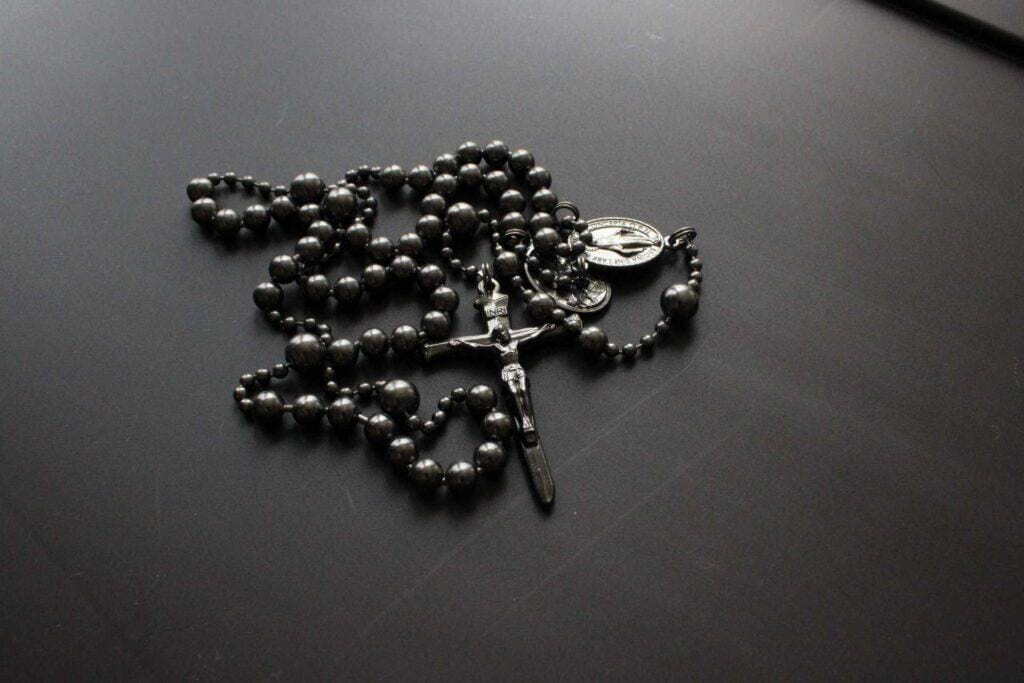
The Rosary prayer schedule helps Catholics know which mysteries are commonly prayed on each day of the week. Most Catholics today follow the Joyful, Sorrowful, Glorious, and Luminous Mysteries, while the older fifteen-decade form follows the Joyful, Sorrowful, and Glorious Mysteries. Both forms lead the faithful through the life, Passion, death, Resurrection, and glory of Jesus Christ in union with the Blessed Virgin Mary.
The lists below show the traditional pattern and the form that includes the Luminous Mysteries. A Catholic may follow either one, since the assigned days are a cherished custom rather than a binding rule. The purpose is not merely to keep a weekly routine, but to enter more deeply into each mystery and draw closer to Christ through prayer.
Rosary Prayer Schedule by Day
Catholics commonly follow one of two weekly patterns when choosing the mysteries to pray. The form most often used today includes the Luminous Mysteries, while the traditional fifteen-decade pattern follows only the Joyful, Sorrowful, and Glorious Mysteries.
Both forms assign particular mysteries to the days of the week so that the life of Jesus Christ is contemplated in an orderly way. The lists below show each pattern and provide links to the corresponding mysteries or complete prayers for each day.
Traditional Fifteen-Decade Pattern
- Monday — Joyful Mysteries
- Tuesday — Sorrowful Mysteries
- Wednesday — Glorious Mysteries
- Thursday — Joyful Mysteries
- Friday — Sorrowful Mysteries
- Saturday — Glorious Mysteries
- Sunday —
Glorious Mysteries (Ordinary Time and Easter);
Sorrowful Mysteries (Lent),
Joyful Mysteries (Advent and the Christmastide)
The traditional form of the Rosary contains fifteen decades divided among the Joyful, Sorrowful, and Glorious Mysteries. Each group contains five mysteries that lead the faithful through the Incarnation, the Passion of Christ, and His victory over death.
Under this weekly pattern, the Joyful Mysteries are prayed on Monday and Thursday, the Sorrowful Mysteries on Tuesday and Friday, and the Glorious Mysteries on Wednesday and Saturday. The mysteries prayed on Sunday may follow the Church’s liturgical seasons, as shown in the list.
Modern (With Luminous Mysteries)
The form commonly followed today includes the Luminous Mysteries, which Pope John Paul II introduced in 2002 through Rosarium Virginis Mariae. These five mysteries meditate on the public ministry of Jesus Christ, from His Baptism in the Jordan to the Institution of the Holy Eucharist.
How the Two Forms Differ
The form commonly followed today includes the Luminous Mysteries, which Pope John Paul II introduced in 2002 through Rosarium Virginis Mariae. These five mysteries meditate on the public ministry of Jesus Christ, from His Baptism in the Jordan to the Institution of the Holy Eucharist.
In this weekly pattern, the Joyful Mysteries are prayed on Monday and Saturday, the Sorrowful Mysteries on Tuesday and Friday, the Glorious Mysteries on Wednesday and Sunday, and the Luminous Mysteries on Thursday. The links below lead to the complete Rosary for each day.
Thursday and Saturday
Thursday and Saturday are the two weekdays that change between the traditional pattern and the form that includes the Luminous Mysteries. In the traditional pattern, the Joyful Mysteries are prayed on Thursday and the Glorious Mysteries on Saturday.
When the Luminous Mysteries are included, they are prayed on Thursday. The Joyful Mysteries are then prayed on Saturday, while the Glorious Mysteries remain assigned to Wednesday and Sunday. Monday, Tuesday, Wednesday, and Friday stay the same in both forms.
Sunday and the Liturgical Seasons
In the traditional fifteen-decade pattern, the mysteries prayed on Sunday may change with the Church’s liturgical seasons. The Joyful Mysteries may be prayed during Advent and the Christmas season, the Sorrowful Mysteries during Lent, and the Glorious Mysteries during Easter and Ordinary Time.
This custom allows Sunday meditation to reflect the season being celebrated by the Church. Catholics may also follow the usual weekly pattern throughout the year, since the assignment of particular mysteries to certain days is a devotional practice rather than a binding rule.
Why Catholics Use Two Forms
Catholics use two forms because the weekly pattern developed from the traditional fifteen-decade Rosary and was later expanded to include the Luminous Mysteries. The older form follows the Joyful, Sorrowful, and Glorious Mysteries, while the newer form adds five meditations on the public ministry of Jesus Christ.
Neither form changes the purpose of the devotion. Both help the faithful contemplate the life of Christ with the Blessed Virgin Mary and grow in faith, hope, and love. The sections below explain how the traditional form developed and why Pope John Paul II proposed the additional mysteries in 2002.
The Traditional Fifteen-Decade Rosary
The traditional fifteen-decade Rosary took shape gradually over many centuries. Its 150 Hail Marys were arranged in fifteen decades, reflecting the 150 Psalms of the Psalter. These decades were divided among the Joyful, Sorrowful, and Glorious Mysteries, leading the faithful from the Incarnation and childhood of Christ through His Passion, Resurrection, and heavenly glory.
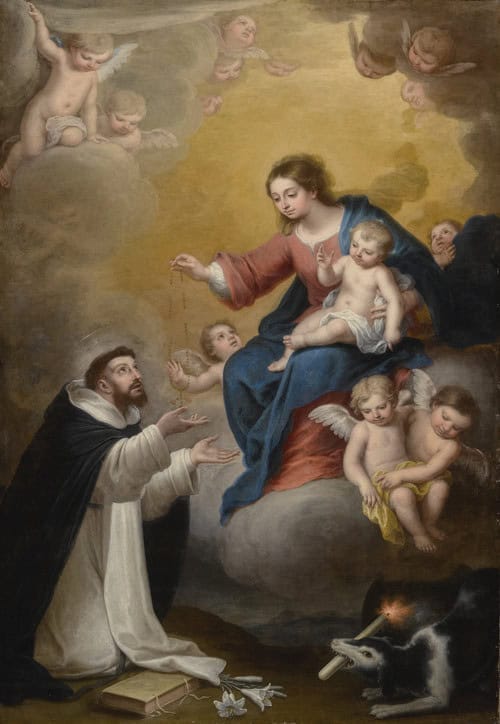
Catholic tradition closely associates the spread of the Rosary with Saint Dominic and the Dominican Order. The familiar image of the Blessed Virgin Mary giving the Rosary to Saint Dominic expresses this long-standing devotion, although the prayer in its established form developed over time. For generations, the fifteen-decade form remained the customary pattern followed and encouraged throughout the Church.
Pope John Paul II’s 2002 Addition
In 2002, Pope John Paul II proposed the five Luminous Mysteries, also called the Mysteries of Light, in his apostolic letter Rosarium Virginis Mariae. These meditations cover the public ministry of Jesus: His Baptism in the Jordan, the Wedding at Cana, the Proclamation of the Kingdom, the Transfiguration, and the Institution of the Holy Eucharist.
He offered these additional mysteries to help Catholics contemplate more fully the years between the childhood and Passion of Christ. Their use was not made obligatory. Catholics remain free to follow the traditional fifteen-decade form or the pattern that includes the Luminous Mysteries, which are commonly prayed on Thursday.
How to Choose What to Pray Each Day

Most Catholics follow the customary pattern for the day of the week, but the assigned days are not binding. A person may use either the traditional fifteen-decade form or the pattern that includes the Luminous Mysteries. On a feast day, during a particular liturgical season, or when facing a special need, another group may be chosen.
What seems to matter most is prayerful meditation on the life of Christ. Each mystery invites the faithful to consider His words and actions, respond to the will of the Father, and ask for the grace to follow Him more faithfully. The weekly pattern provides helpful order, but it should serve devotion rather than become a rigid rule.
Frequently Asked Questions
In the form most commonly used today, the Joyful Mysteries are prayed on Monday and Saturday, the Sorrowful on Tuesday and Friday, the Glorious on Wednesday and Sunday, and the Luminous on Thursday.
The traditional fifteen-decade form places the Joyful Mysteries on Thursday and the Glorious Mysteries on Saturday. Some Catholics also choose the Sunday meditations according to the Church’s liturgical season.
No. Pope John Paul II proposed them as an optional addition, leaving their use to individuals and communities.
Yes. The weekly pattern is a devotional custom, not a binding rule. A feast day, liturgical season, personal intention, or spiritual need may lead someone to choose another mystery.
Catholic tradition closely associates Saint Dominic with the spread of the Rosary. The familiar account expresses that tradition, while the devotion in its established form developed gradually over several centuries.
A regular pattern gives order to meditation and helps the faithful contemplate the Incarnation, public ministry, Passion, Resurrection, and glory of Christ throughout the week.

Charles Rogers is a resident of South Carolina and a retired computer programmer by trade. Raised in various Christian denominations, he came to faith in Jesus Christ early in life. In 2012, he began experiencing authentic spiritual encounters with the Blessed Virgin Mary, which led him on a seven-year journey at her hands, that included alcohol addiction, a widow maker heart attack and death and conversion to the Catholic Faith. He is the exclusive author and owner of Two Percent Survival, a website dedicated to and created in honor of the Holy Mother. Feel free to email Charles at twopercentsurvival@gmail.com.

May Our Lady of the Rosary lead you deeper into the grace you have been given. Pray always, and trust the mercy of God while the door remains open.
— Two Percent Survival