

Rosary Closing Prayer
Understanding the Rosary Prayers
Introduction
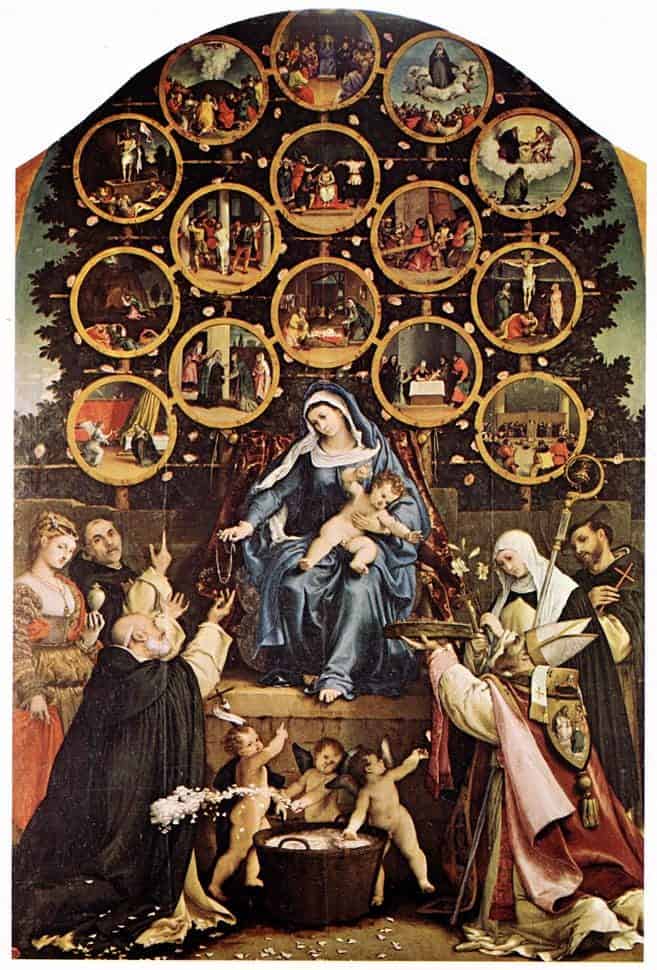
The Rosary has a clear path. It begins with the Sign of the Cross and the Creed, moves through the Our Father and Hail Marys, and then passes through the Joyful, Luminous, Sorrowful, and Glorious Mysteries. The Rosary Closing Rosary Prayer stands at the end of this path. It is not an extra line added out of habit. It is a deliberate act in which the person offers all that has just been prayed to God the Father through Christ, with Mary’s help. In this prayer, the Church asks that meditation on the mysteries lead to imitation of Christ and the grace promised in them. By seeing where the closing prayer stands and what it says, a person can learn to finish the Rosary with clear faith, gratitude, and purpose.
Where the Closing Rosary Prayer Occurs in the Rosary
In the usual form of the Rosary, the Closing Prayer of the Rosary comes after the Hail Holy Queen. A person begins with the Sign of the Cross, introductory prayers, and the Creed, then moves through five decades, each with its Mystery, Our Father, Hail Marys, and Glory Be. After the fifth decade, many add the Fatima Prayer, then pray the Hail Holy Queen as a final appeal to Mary. Only then does the Closing Rosary Prayer turn directly to God the Father: it offers all the meditation and asks for grace “through the same Christ our Lord.” Other optional prayers, such as the Prayer to St. Michael or a simple “May the divine assistance remain always with us,” can follow. Knowing this order helps a person see the closing rosary prayer as the final act that gathers the whole Rosary.
Why the Rosary Ends with This Prayer
The Rosary ends with this prayer because it gathers everything that has just been prayed and hands it to the Father through Christ. During the decades, a person looks at the scenes of Jesus’ life with Mary. In the closing prayer of the Rosary, the Church openly names what those scenes contain: the life, death, and Resurrection of Christ, the promise of eternal life, and the path of meditation. The prayer asks that this time with the mysteries not remain only in the mind, but lead to the imitation of Christ and the graces tied to each Mystery. It also fixes attention on God as the final goal of the Rosary. By ending in this way, the Church teaches that the Rosary is more than private comfort; it is a form of prayer that asks for real change and eternal reward.
How This Prayer Gathers the Graces of the Mysteries
All through the Rosary, a person stands before one Mystery at a time: the Annunciation, the Crucifixion, the Resurrection, and so on. In the Closing Rosary Prayer, the Church gathers every one of those scenes into a single act of faith. The prayer names the life, death, and Resurrection of Christ and speaks of “these mysteries of the Most Holy Rosary.” It is as if the person gathers all five decades into their hands and offers them to the Father through Christ. At the same time, the words ask for two things: to imitate what the mysteries contain and to obtain what they promise. In this way, the Closing Prayer of the Rosary does not repeat the decades, but presents their fruits to God and asks that the graces attached to each Mystery be given here and now.
Rosary Closing Prayer (Full Text)
O God whose only begotten Son has purchased for us the rewards of eternal life,
Grant that we beseech Thee while meditating upon these mysteries of the Most Holy Rosary of the Blessed Virgin Mary,
we may both imitate what they contain and obtain what they promise,
through the same Christ our Lord.
Amen.
"O God, Whose Only Begotten Son"
Turning to the Father Through Christ
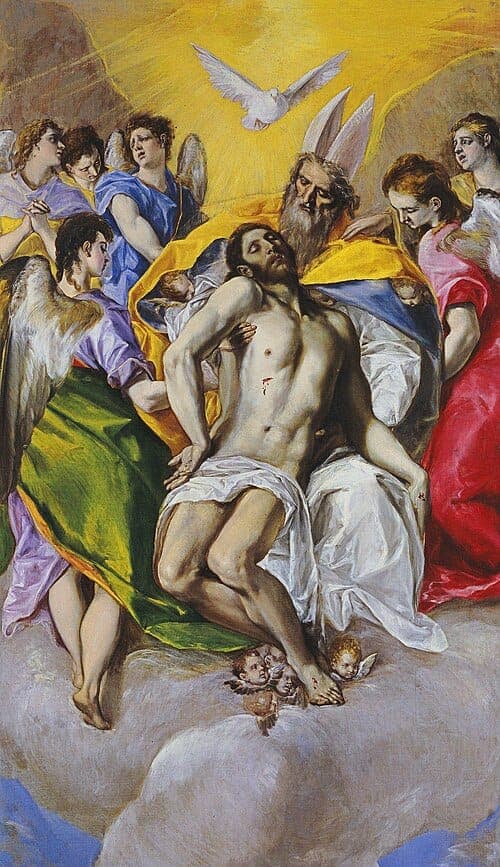
The Closing Prayer of the Rosary begins by turning to God the Father and naming Jesus as His “only begotten Son.” These first words set the direction of the whole prayer. The person does not speak to an unknown power, but to the Father who has given His Son for our salvation. The title “only begotten Son” echoes the Creed and reminds the heart that Jesus is true God from true God, not only a teacher or example. By calling on the Father in this way, the Church teaches that every grace of the Rosary comes through Christ. All the Hail Marys, all the mysteries, all the movements of the heart are placed in His hands. Then, through Him, they are offered to the Father, who answers for the sake of His beloved Son.
Addressing God with Confidence and Reverence
The Closing Rosary Prayer begins by turning to God the Father and naming Jesus as His “only begotten Son.” These first words set the direction of the whole prayer. The person does not speak to an unknown power, but to the Father who has given His Son for our salvation. The title “only begotten Son” echoes the Creed and reminds the heart that Jesus is true God from true God, not only a teacher or example. By calling on the Father in this way, the Church teaches that every grace of the Rosary comes through Christ. All the Hail Marys, all the mysteries, all the movements of the heart are placed in His hands. Then, through Him, they are offered to the Father, who answers for the sake of His beloved Son.
The Only Begotten Son
and the Mystery of the Incarnation
The Closing Rosary Prayer begins by turning to God the Father and naming Jesus as His “only begotten Son.” These first words set the direction of the whole prayer. The person does not speak to an unknown power, but to the Father who has given His Son for our salvation. The title “only begotten Son” echoes the Creed and reminds the heart that Jesus is true God from true God, not only a teacher or example. By calling on the Father in this way, the Church teaches that every grace of the Rosary comes through Christ. All the Hail Marys, all the mysteries, all the movements of the heart are placed in His hands. Then, through Him, they are offered to the Father, who answers for the sake of His beloved Son.
The Closing Prayer of the Rosary Echoes the Creed
and the Our Father
The Closing Prayer of the Rosary begins by turning to God the Father and naming Jesus as His “only begotten Son.” These first words set the direction of the whole prayer. The person does not speak to an unknown power, but to the Father who has given His Son for our salvation. The title “only begotten Son” echoes the Creed and reminds the heart that Jesus is true God from true God, not only a teacher or example. By calling on the Father in this way, the Church teaches that every grace of the Rosary comes through Christ. All the Hail Marys, all the mysteries, all the movements of the heart are placed in His hands. Then, through Him, they are offered to the Father, who answers for the sake of His beloved Son.
"By His Life, Death, and Resurrection" Remembering the Paschal Mystery
"Life, Death, and Resurrection" as One Saving Mystery
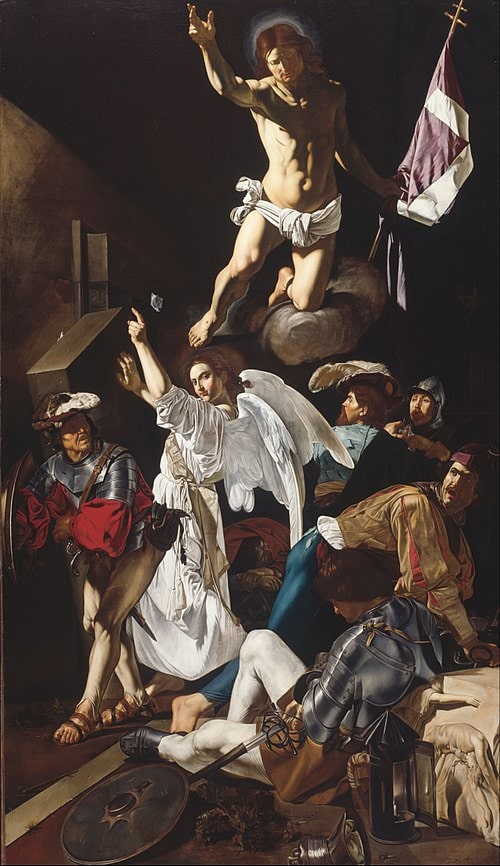
When the Closing Rosary Prayer names the “life, death, and resurrection” of Christ, it points to the Paschal Mystery, the center of the faith. The life of Jesus shows the will of the Father in every act: His obedience, His preaching, His mercy toward sinners. His death on the Cross is the sacrifice that pays the price for sin. His Resurrection is the victory in which death is broken, and new life begins. These are not three separate events but one saving work, offered once for all and made present in the sacraments. In the Rosary, each set of mysteries lets a person look at part of this one Mystery. In the Closing Prayer of hthe Rosary, the Church gathers all of them and remembers that every grace asked for has its source in the Paschal Mystery of Christ.
The Cross as the Price of Our Redemption
When the Closing Prayer of the Rosary says that Christ has “purchased for us the rewards of eternal life,” it speaks about the Cross as the price of our redemption. Scripture says we are redeemed “with the precious blood of Christ, as of a lamb unspotted and undefiled” (1 Pt 1:18–19, Douay-Rheims). This does not mean a cold business exchange, but a real sacrifice offered in love. On Calvary, Jesus takes our sins upon Himself and offers perfect obedience to the Father. His suffering and death satisfy for our guilt and open Heaven. Every grace we ask for in the closing prayer flows from this one sacrifice, made present in every Mass. When a person finishes the Rosary with this line, he remembers that the mercy he seeks has a cost: the pierced hands and side of the Savior who has paid for his freedom.
The Resurrection and the New Life Given in Baptism
The Rosary Closing Prayer recalls Christ’s “resurrection” not only as His victory, but as the source of new life for the baptized. In Baptism, a person is joined to the death and rising of Jesus: “all we, who are baptized in Christ Jesus, are baptized in his death… that… we also may walk in newness of life” (Rom 6:3–4, Douay-Rheims). The old life under sin is buried, and a new life as a child of God begins (CCC 1265–1266). Each Glorious Mystery, especially the Resurrection, points to this gift. When the closing prayer is said, the baptized believer stands before the Father as one already marked by this new life, asking that the grace first given in Baptism will grow, endure, and lead at last to the full “rewards of eternal life.”
"Rewards of Eternal Life"
What Christ Has Won for Us
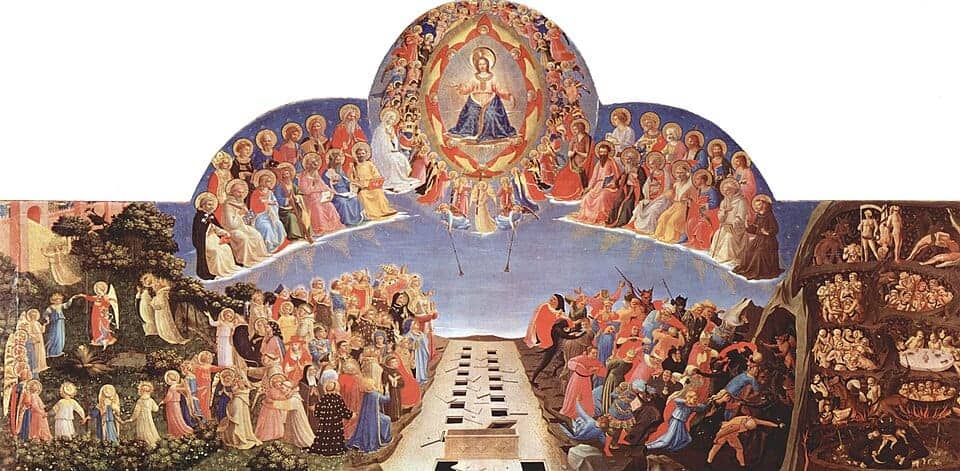
When the Closing Prayer of the Rosary speaks of the “rewards of eternal life,” it points to Heaven as a real gift already won by Christ. The greatest reward is to see God face to face in the beatific vision, to love Him without fear or fatigue (1 Cor 13:12, Douay-Rheims). This includes sharing forever in the life of the Trinity, the Resurrection of the body, and communion with Mary and all the saints (CCC 1023–1024). These rewards are not prizes we earn by our own strength. They are the fruits of Christ’s life, death, and Resurrection, offered to those who die in His grace. At the same time, God takes our cooperation seriously. Every act of faith, hope, and charity done with His grace prepares the soul to receive more. In this light, each Rosary becomes a small step toward the joy Christ has prepared.
What the "Rewards of Eternal Life" Means
In the Closing Rosary Prayer, “rewards of eternal life” does not mean earthly success. It means the fullness of salvation that Christ has won. The first reward is to live with God forever, to see Him as He is and love Him without end (1 Jn 3:2, Douay-Rheims). This includes sharing in the joy of the saints, the Resurrection of the body, and a peace that never ends (CCC 1023–1024). The word “rewards” also points to God’s justice. He crowns His own gifts in us, taking every act of faith, hope, and charity seriously. When a person prays this line at the end of the Rosary, he is asking not only for help in this life, but for the final gift: to die in God’s grace and enter the life that never ends.
Grace, Merit, and the Promise of Heaven
The Closing Prayer of the Rosary holds together three great truths: grace, merit, and the promise of Heaven. Grace comes first. God moves the heart, forgives sins, and gives the strength to believe, hope, and love (CCC 1996–1998). Without grace, no one can even begin to seek eternal life. Yet God, in His kindness, chooses to count our free response as “merit.” When a person, helped by grace, offers sacrifices, keeps the commandments, and prays with faith, God promises a true reward (CCC 2006–2011). This reward is not something apart from Him, but the joy of seeing Him forever. Each time a person finishes the Rosary with this prayer, he stands in that truth: all is grace, yet every act done in grace prepares the soul for the happiness Christ has promised.
Hope in Eternal Life During Suffering and Trial
The words “rewards of eternal life” are meant to shine most when life is dark. Many who pick up the Rosary carry sickness, grief, fear, or shame. When they finish with this prayer, the Church teaches them to look beyond present pain to the promise of Heaven. Scripture says that “the sufferings of this time are not worthy to be compared with the glory to come” (Rom 8:18, Douay-Rheims). The Catechism calls hope the virtue by which we “desire the kingdom of heaven” and trust in God’s help (CCC 1817–1821). In this light, each decade offered in tears becomes a seed for future joy. The Closing Rosary Prayer trains the heart to say, “This is not the end.” Christ has gone before, Mary intercedes, and eternal life waits for those who endure in His grace.
"Meditating Upon These Mysteries"
Contemplation in the Rosary
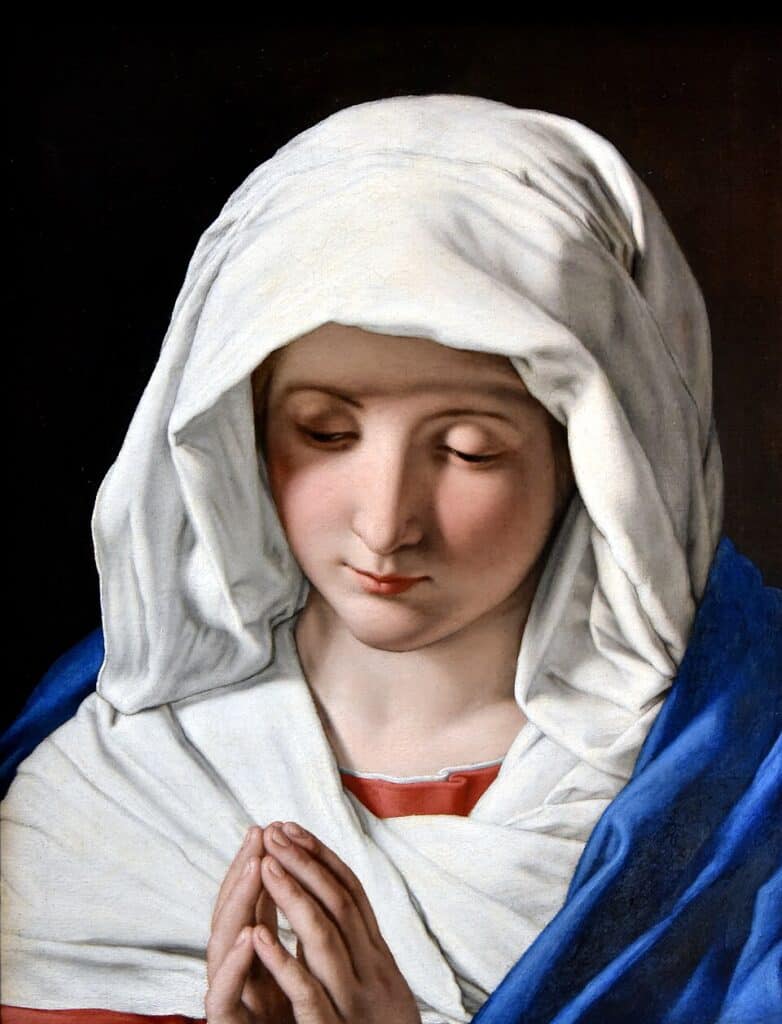
When the Closing Prayer of the Rosary speaks of “meditating upon these mysteries,” it shows that the Rosary is more than the repetition of words. To meditate is to hold each Mystery before the mind and heart, to look at Jesus and Mary with attention and love. During the decades, the lips speak the Hail Marys while the mind turns to Bethlehem, Nazareth, Calvary, the empty tomb, and the Glory of Heaven. This gaze is simple, not complicated: the person recalls the scene, thinks about what Jesus does and suffers, and quietly asks, “What does this mean for my life?” In time, this kind of prayer becomes a gentle form of contemplation, where fewer thoughts are needed, and the heart rests in the presence of Christ. The closing prayer reminds the Catholic that this interior work is the heart of the Rosary.
The Rosary as Meditation on the Life of Christ
The Rosary is a prayer about Jesus before it is a prayer about anything else. From the Joyful to the Glorious Mysteries, it traces His coming, His hidden years, His ministry, His Passion, and His triumph. Each decade is like standing at one scene in the Gospel and staying there with Mary. The Hail Marys give the lips something clear to say, so the mind and heart are free to look at Christ. In this way, the Rosary becomes a simple school of meditation on the life of the Lord. A person who prays it often begins to think and judge with the Gospel in mind. The Closing Rosary Prayer then gathers all these moments and asks that this steady contact with the mysteries will change the one who prays into a more faithful disciple.
Moving from Vocal Prayer to Interior Prayer
Many Catholics first learn the Rosary as a set of words to say. This is good, but it is only the beginning. Vocal prayer means speaking the prayers with the lips. Interior prayer means that the mind and heart are awake to God while the words are said. In the Rosary, this growth happens when a person slows down and links the Hail Marys to the Mystery. The lips say the prayer, but the mind looks at Jesus and Mary. Over time, fewer thoughts are needed. The heart grows quiet and simple, present to God in faith and love. The Closing Rosary Prayer asks that this meditation will be real, not empty. It reminds the Catholic that the goal is not many words, but a deeper turning of the whole person to the Father through Christ.
Practical Ways to Meditate on the Mysteries
Many Catholics want to meditate during the Rosary but do not know how to begin. A simple way is to pause before each decade, name the Mystery slowly, and picture the scene in the mind: who is there, what is happening, what Jesus is doing. Some like to read one short Gospel verse before the decade and hold that line in their thoughts while they pray. Others link each decade to a clear intention, such as a family member, the sick, or the dying. It can also help to keep one question in mind: “Lord, what are You teaching me here?” or “What grace do You want to give through this mystery?” The Closing Prayer of the Rosary then gathers all these efforts and asks that this honest, simple meditation will bear fruit in real change and in eternal life.
Using Scripture with the Rosary
Using Scripture with the Rosary lets a person pray closer to the heart of the mysteries. Before each decade, one may read a short Gospel verse that names the scene: the angel’s greeting at the Annunciation, the words of Jesus at the Last Supper, or the empty tomb at dawn. That verse can stay in the mind while the Hail Marys are said, like a simple light that guides the thoughts. Some like to announce each Mystery together with its Bible reference, so they remember that the Rosary grows from the Word of God, not from imagination alone. The Closing Rosary Prayer then asks that this time spent with Scripture and the beads will not pass away empty, but will bring real faith, conversion, and hope in eternal life.
Using Sacred Art and Holy Images
Sacred art can make the mysteries of the Rosary concrete. A painting of the Annunciation, the Crucifixion, or the Resurrection gives the eyes something clear to rest on while the lips say the Hail Mary. A person may keep a holy card, an icon, or a print nearby and glance at it at the start of each decade. Looking at the image, he notices simple details: the gaze of Mary, the wounds of Christ, the empty tomb, and the joy of the angels. These details guide the imagination and keep distractions away. This is not daydreaming but a way of letting the truth of the Mystery touch the senses. When the Closing Rosary Prayer is said, all these moments before holy images are gathered up and offered to the Father, asking that what was seen with the eyes will sink into the heart.
Offering Each Decade for Concrete Intentions
Offering each decade for a clear intention helps the Rosary touch daily life. Before starting a decade, a person can quietly name one intention: a family member, the sick, the dying, the Church, the souls in purgatory, or a personal struggle. That intention is then held in the heart while the Mystery is recalled and the Hail Marys are said. This practice joins the person’s needs to the grace shown in each scene: a sorrowful mystery for someone suffering, a joyful mystery for a child, a glorious mystery for someone near death. It also keeps the mind from drifting, because the heart knows why it is praying. When the Closing Prayer of the Rosary asks that we “obtain what they promise,” all these intentions are gathered and placed before the Father through Christ, with trust that no sincere plea offered in this way is ignored.
"Of the Most Holy Rosary of the Blessed Virgin Mary": Mary's Part in the Prayer
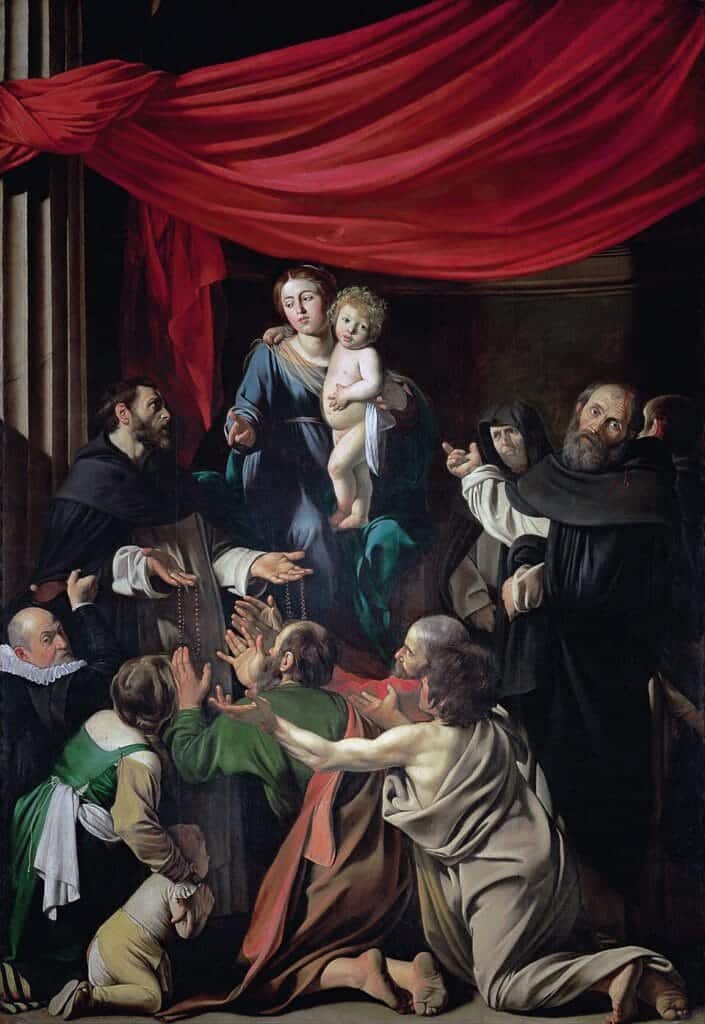
Why the Prayer Names the Blessed Virgin Mary
The Rosary is a prayer about Jesus before it is a prayer about anything else. From the Joyful to the Glorious Mysteries, it traces His coming, His hidden years, His ministry, His Passion, and His triumph. Each decade is like standing at one scene in the Gospel and staying there with Mary. The Hail Marys give the lips something clear to say, so the mind and heart are free to look at Christ. In this way, the Rosary becomes a simple school of meditation on the life of the Lord. A person who prays it often begins to think and judge with the Gospel in mind. The Closing Rosary Prayer then gathers all these moments and asks that this steady contact with the mysteries will change the one who prays into a more faithful disciple.
Mary's Role in Leading Souls to Christ Through the Rosary
Many Catholics first learn the Rosary as a set of words to say. This is good, but it is only the beginning. Vocal prayer means speaking the prayers with the lips. Interior prayer means that the mind and heart are awake to God while the words are said. In the Rosary, this growth happens when a person slows down and links the Hail Marys to the Mystery. The lips say the prayer, but the mind looks at Jesus and Mary. Over time, fewer thoughts are needed. The heart grows quiet and simple, present to God in faith and love. The Closing Prayer of the Rosary asks that this meditation will be real, not empty. It reminds the Catholic that the goal is not many words, but a deeper turning of the whole person to the Father through Christ.
The Rosary as a School of Mary
Many Catholics want to meditate during the Rosary but do not know how to begin. A simple way is to pause before each decade, name the Mystery slowly, and picture the scene in the mind: who is there, what is happening, what Jesus is doing. Some like to read one short Gospel verse before the decade and hold that line in their thoughts while they pray. Others link each decade to a clear intention, such as a family member, the sick, or the dying. It can also help to keep one question in mind: “Lord, what are You teaching me here?” or “What grace do You want to give through this mystery?” The Closing Rosary Prayer then gathers all these efforts and asks that this honest, simple meditation will bear fruit in real change and in eternal life.
Mary as Mother, Teacher, and Intercessor
Using Scripture with the Rosary lets a person pray closer to the heart of the mysteries. Before each decade, one may read a short Gospel verse that names the scene: the angel’s greeting at the Annunciation, the words of Jesus at the Last Supper, or the empty tomb at dawn. That verse can stay in the mind while the Hail Marys are said, like a simple light that guides the thoughts. Some like to announce each Mystery together with its Bible reference, so they remember that the Rosary grows from the Word of God, not from imagination alone. The Closing Rosary Prayer then asks that this time spent with Scripture and the beads will not pass away empty, but will bring real faith, conversion, and hope in eternal life.
"Imitate What They Contain and Obtain What They Promise": Living the Closing Rosary Prayer
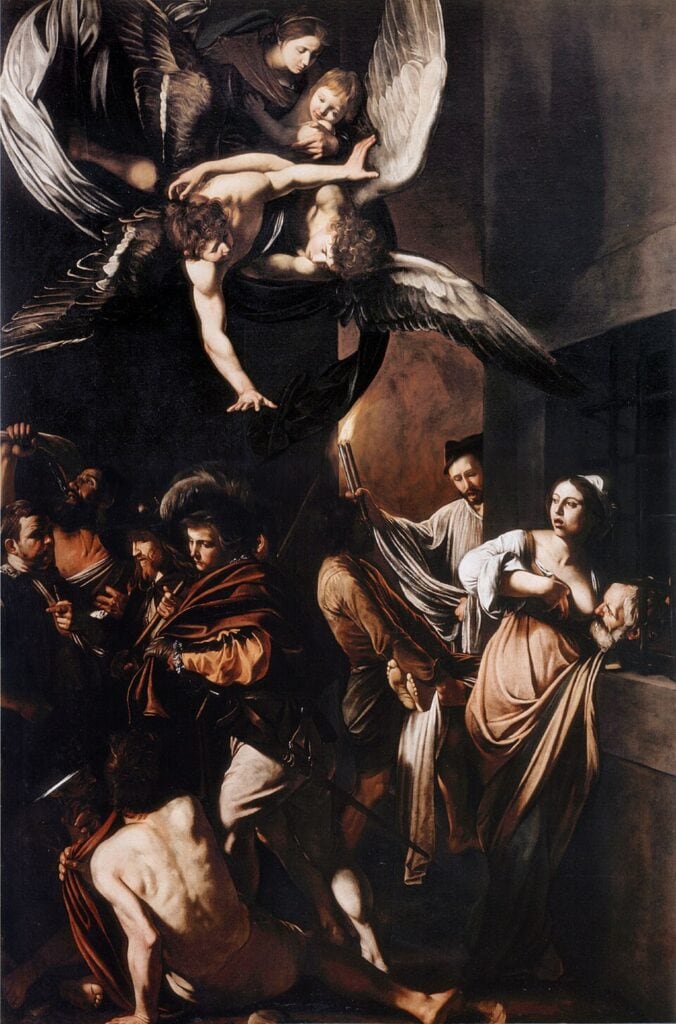
These two phrases show that the Rosary is meant to shape both life on earth and destiny after death. “Imitate what they contain” means that each Mystery is a lesson to be practiced: humility at the Annunciation, patience in the Sorrowful Mysteries, praise and hope in the Glorious Mysteries. The Rosary is empty if it never touches choices, habits, and sins. “Obtain what they promise” points to the graces tied to each scene and, finally, to eternal life. The Passion promises mercy and strength in temptation. The Resurrection and Ascension promise hope and the gift of the Holy Ghost. When a person finishes the Rosary with this prayer, he quietly accepts a task and asks for a gift: to live like Christ and His Mother now, and to receive in Heaven what these mysteries hold out to the faithful.
Imitating the Virtues Shown in Each Mystery
To “imitate what they contain” means that the Rosary is a school of virtue, not only a comfort. Each Mystery shows a concrete way of following Christ. In the Joyful Mysteries, a person meets Mary’s faith at the Annunciation, her charity in the Visitation, and her obedience in the hidden life. The Sorrowful Mysteries show courage, patience, and forgiveness under injustice and pain. The Glorious Mysteries open the soul to hope, desire for holiness, and love for the Church. As the beads pass through the fingers, a simple question can stay in the heart: “Lord, what virtue are You showing me here, and how can I live it today?” The Closing Prayer of the Rosary gathers these silent questions and asks that what has been seen in Jesus and Mary will begin to appear, step by step, in the daily choices of the one who prays.
Joyful, Sorrowful, Glorious, and Luminous Patterns of Holiness
The four sets of mysteries trace a full pattern for Christian life. The Joyful Mysteries teach trust in God’s plan, love for family, and faith in hidden, ordinary days. The Sorrowful Mysteries show how to follow Christ when life brings shame, loss, or pain, carrying the Cross with Him rather than alone. The Glorious Mysteries open the heart to hope: Christ risen, the Spirit given, Mary in Heaven, and the promise of our own Resurrection. The Luminous Mysteries place the public life of Jesus before the mind—His preaching, His call to conversion, His care for the poor, and the gift of the Eucharist. Prayed together, these mysteries show that holiness is not one moment, but a path that passes through joy, trial, and Glory with Jesus and Mary.
Asking for the Graces Promised in the Mysteries
When the Closing Rosary Prayer asks that we “obtain what they promise,” it invites the soul to ask boldly for the graces tied to each Mystery. The Joyful Mysteries offer grace for family life, trust, and quiet work. The Sorrowful Mysteries bring strength in temptation, mercy for sin, and peace in suffering. The Glorious Mysteries hold hope in death, love for the Church, and desire for Heaven. The Luminous Mysteries give light for daily choices, deeper faith in the Eucharist, and courage to follow Christ in public. A person does not have to guess what to ask for. He may say in his heart, “Lord, give me what this mystery carries.” The Closing Prayer of the Rosary then gathers all these silent requests and places them before the Father through Christ.
Using the Closing Prayers in Daily Life and Family Prayer
The Closing Rosary Prayer can serve as more than the last words of a full Rosary. A person may use it after a single decade prayed on a busy day, or after a short time of quiet when there was no chance for all five decades. It is also well-suited for family prayer. Parents can lead the children in one or two decades, then stand together before God with this prayer, asking that their small effort bring grace to the home. The sick, the elderly, or those in hospitals can use it after brief prayers when strength is low. In each case, the same movement takes place: the day, the family, and the hidden crosses are placed in the light of Christ’s life, death, and Resurrection, and offered to the Father for eternal life.
Frequently Asked Questions
The Closing Prayer is strongly recommended, but it is not strictly required to "make" a Rosary valid. The heart of the Rosary is the series of decades: announcing each Mystery, praying the Our Father, ten Hail Marys, and the Glory Be. The Hail Holy Queen and the Closing Prayer are traditional ways the Church gathers those prayers and offers them to the Father through Christ. If someone forgets or does not yet know this prayer, the Rosary is still real prayer. Still, learning and using it helps finish the Rosary with clear faith and trust.
Yes. The Closing Prayer may be used outside of the Rosary. It is a good way to end any time of meditation on the life of Christ, such as lectio divina, Eucharistic adoration, or quiet prayer with Scripture. A person can also use it at the end of a single decade prayed during a busy day, or after family night prayers. Whenever it is used, the same movement takes place: Christ's life, death, and Resurrection are offered to the Father, asking for eternal life.
The Hail Holy Queen and the Closing Prayer are both said at the end of the Rosary, but they are not the same kind of prayer. The Hail Holy Queen is addressed to Mary. It speaks to her as Mother of mercy, asks for her help in our "vale of tears," and begs her to show us Jesus. The Closing Prayer is addressed to God the Father. It recalls Christ's life, death, and Resurrection, speaks of the "rewards of eternal life," and asks that meditation on the mysteries lead to imitation and grace "through the same Christ our Lord."
Historically, the Closing Prayer did not begin as a private devotion, but as a liturgical prayer of the Church. Its Latin text, Deus, cujus Unigenitus per vitam, mortem et resurrectionem suam…, is the Collect from the traditional Mass for the Feast of Our Lady of the Most Holy Rosary on October 7. Over time, as the Rosary became more common in parish and family life, this same Collect was adopted as the standard closing prayer after the Hail Holy Queen in many prayer books and manuals. That is why it now feels "built in" to the Rosary for most Catholics.
Links
Rosary Prayers

Charles Rogers is a resident of South Carolina and a retired computer programmer by trade. Raised in various Christian denominations, he always believed in Jesus Christ. In 2012, he began experiencing authentic spiritual encounters with the Blessed Virgin Mary, which led him on a seven-year journey at her hand, that included alcohol addiction, a widow maker heart attack and death and conversion to the Catholic Faith. He is the exclusive author and owner of Two Percent Survival, a website dedicated to and created in honor of the Holy Mother. Feel free to email Charles at twopercentsurvival@gmail.com.

We strive to provide the most complete and highest quality material we can for you, our readers. Although not perfect, it is our desire and prayer that you benefit from our efforts.